
Start with the symptom
Where are you seeing water?
You do not need to know the repair method before asking for help. The first visible wet area is a useful starting point, even when the original entry route is still unclear.
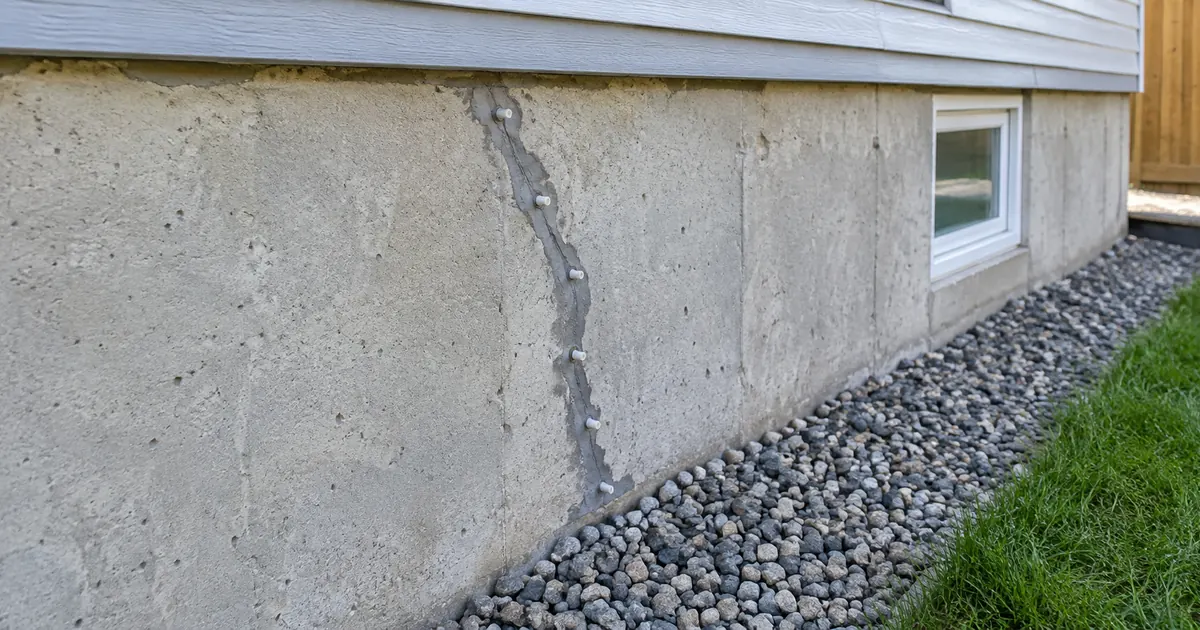
Along a wall crack
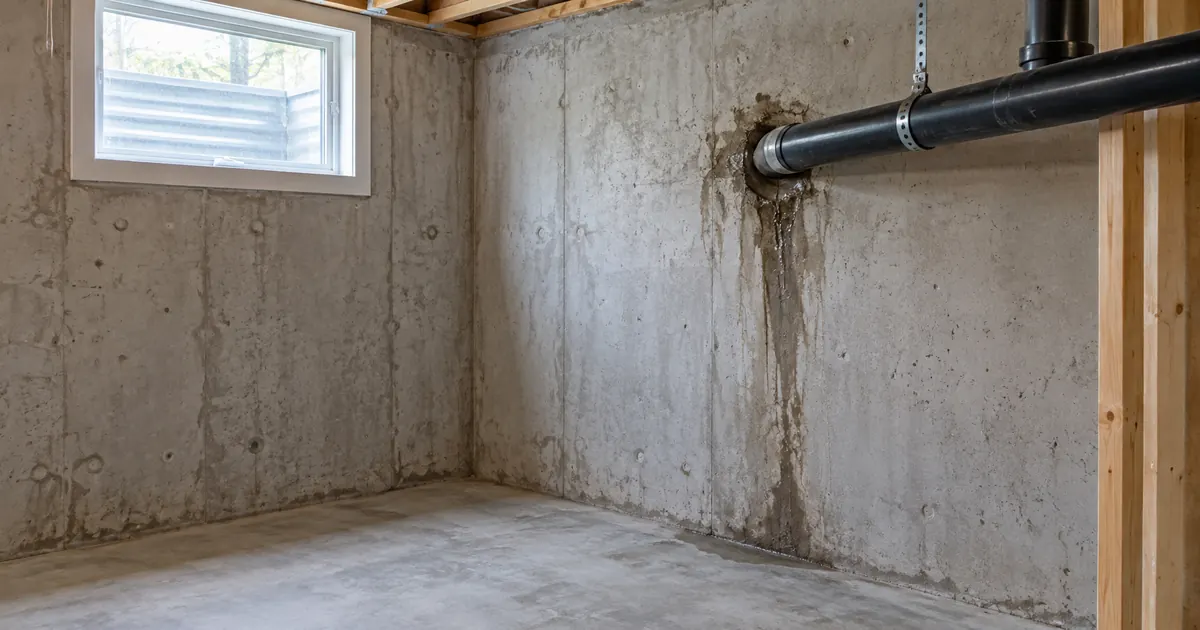
A visible crack may be one water route. Wall construction, movement and access change the repair approach.
Explore crack leak repair →At the floor edge
Water at the wall-floor joint can involve foundation drainage or another concealed path. Ask what the evidence shows.
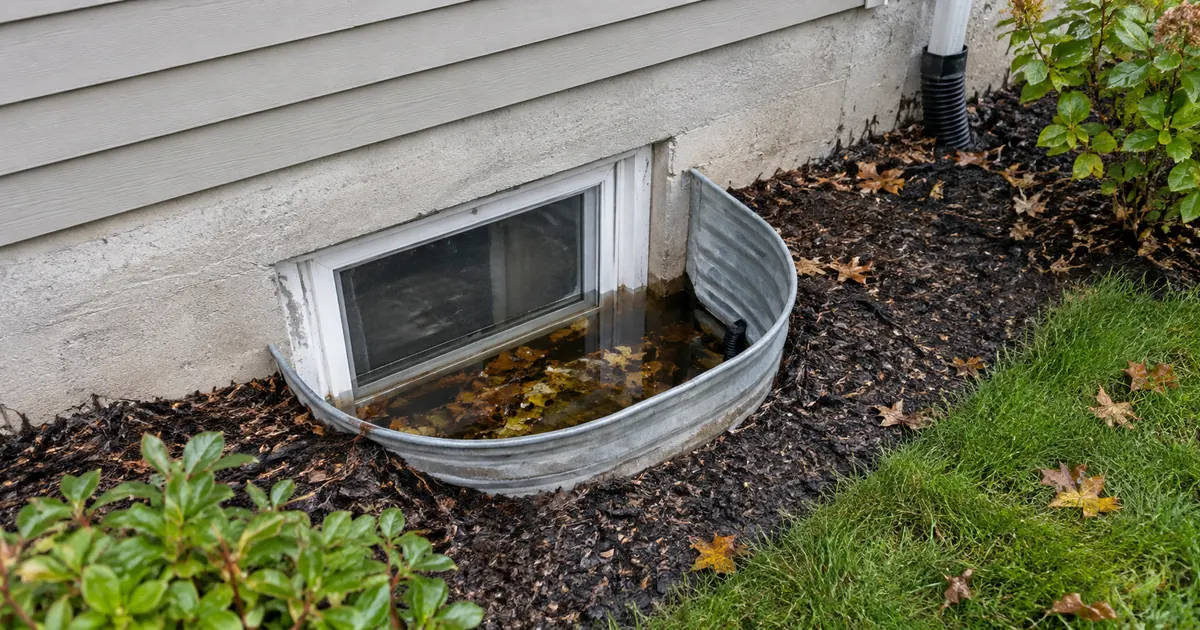
Understand interior drainage →Around a basement window
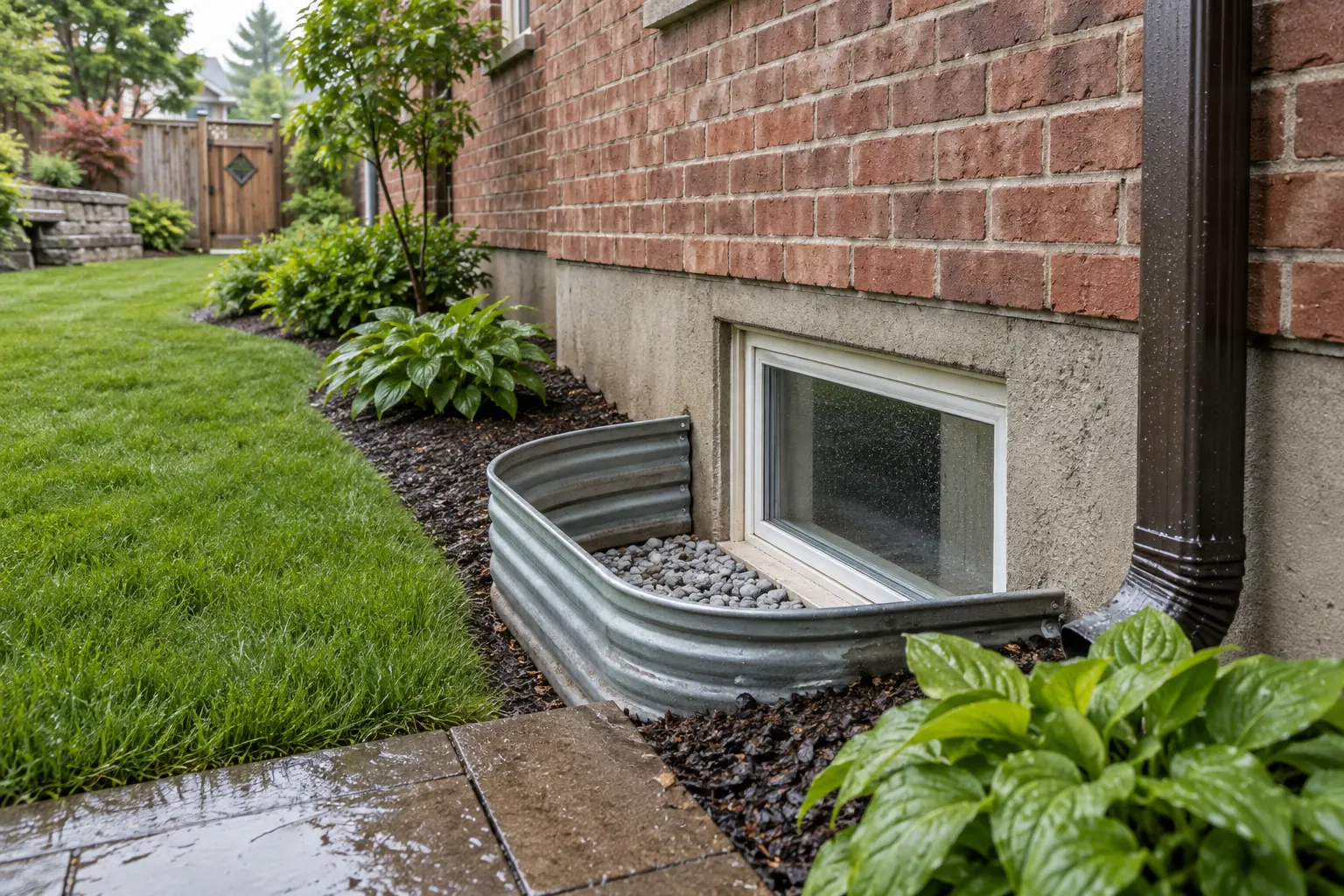
The well, surrounding grade and window opening do different jobs. The assessment should separate them.
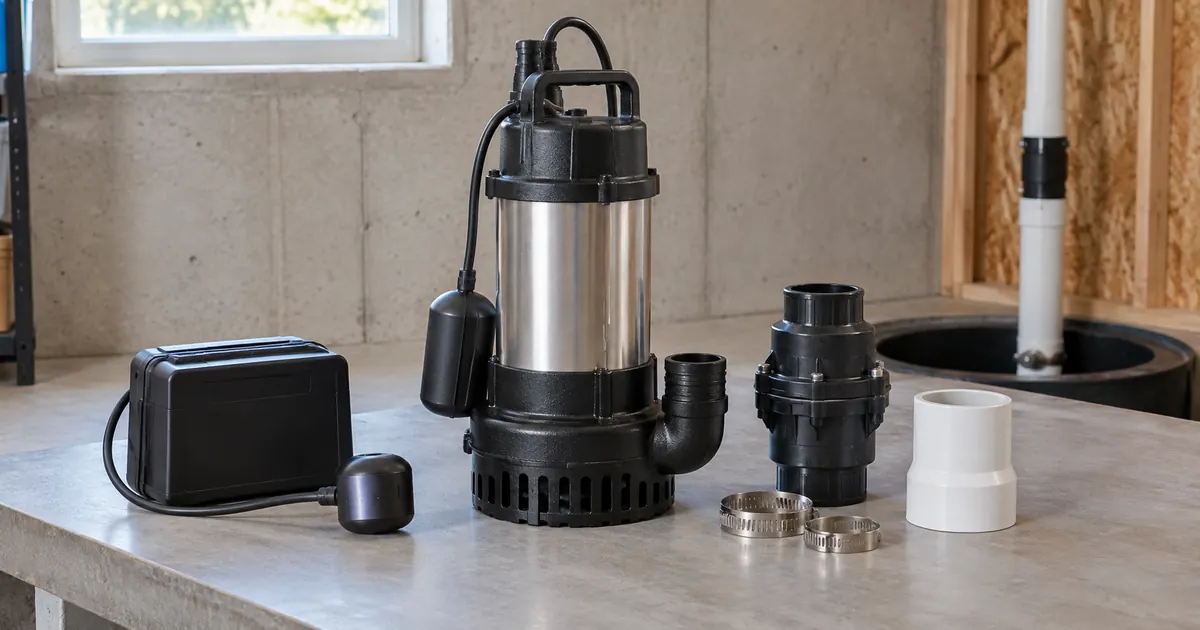
Check window-well concerns →Near the sump
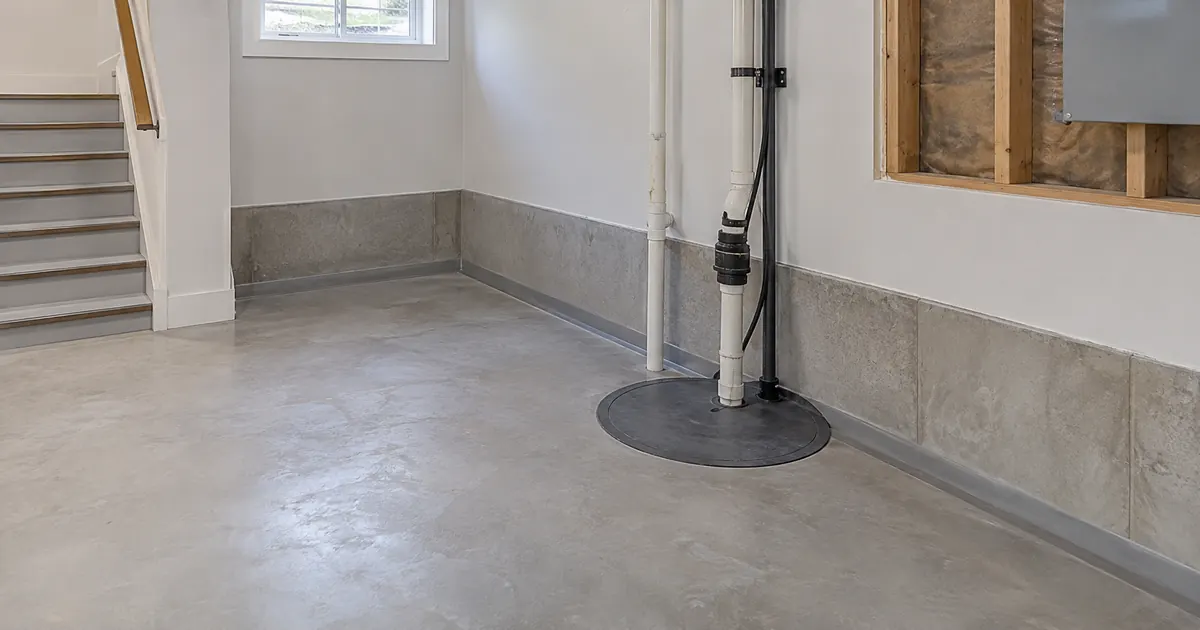
Changed cycling or high water needs a review of the pump and its connected system, including discharge.
Review pump options →Through a floor drain
Reverse flow in a drain is different from foundation seepage. The affected pipe must be identified first.
Learn about backwater valves →Persistent dampness
Humidity, condensation and liquid-water entry can look similar. They do not always need the same response.
Compare moisture and leaks →Repair the route. Plan the system.
Waterproofing and drainage options for your home.
A local repair, a component replacement and a complete system are different scopes. Explore what each option addresses, what access it needs and where its limits lie.
Basement leak repair
A wet basement can come from a crack, a window opening, drainage around the foundation, a plumbing fault or reverse flow in a drain. A useful repair…
Interior waterproofing
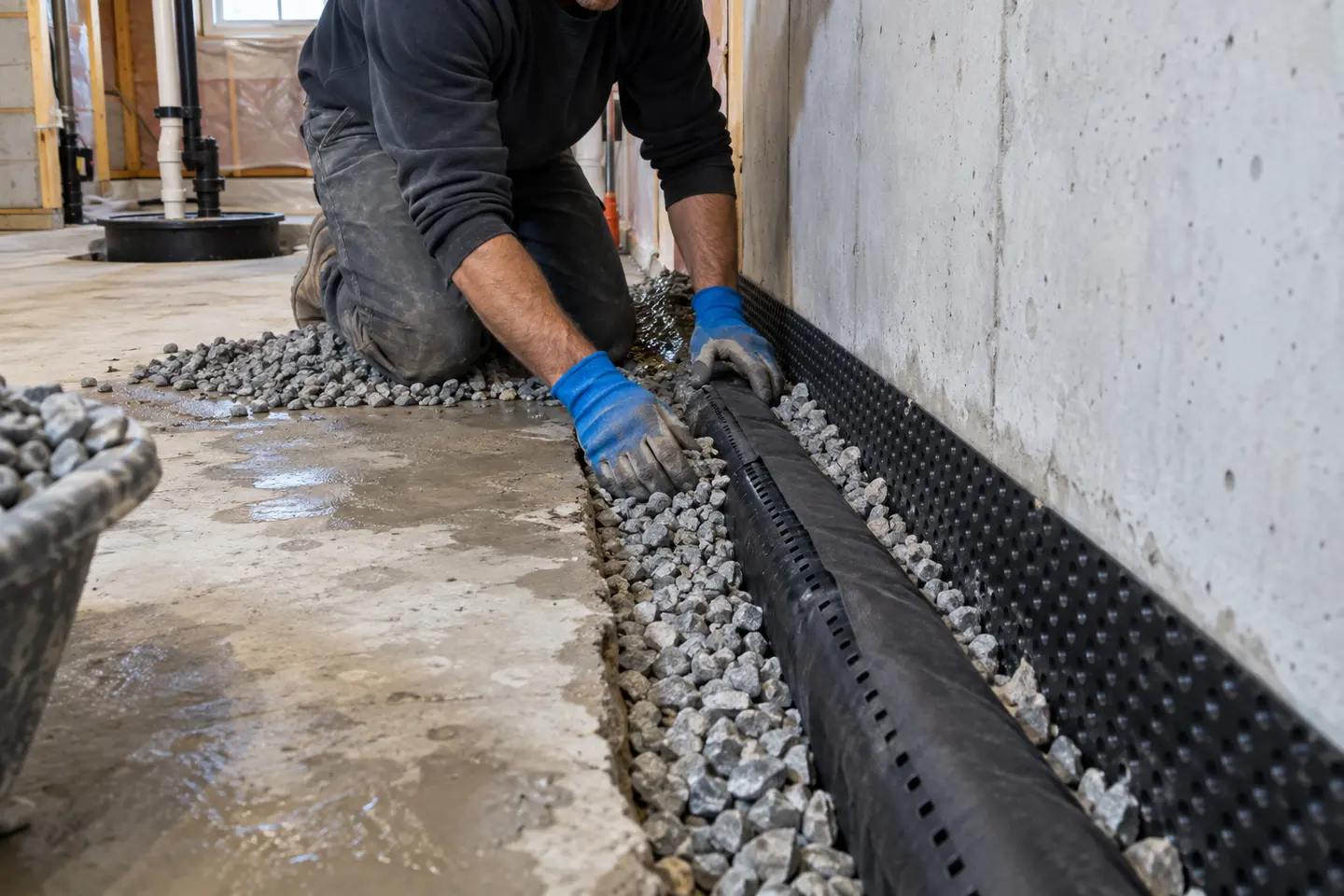
Interior basement waterproofing usually means collecting water near the inside perimeter and directing it to an assessed outlet, often through a sump. It can be considered when…
Exterior waterproofing
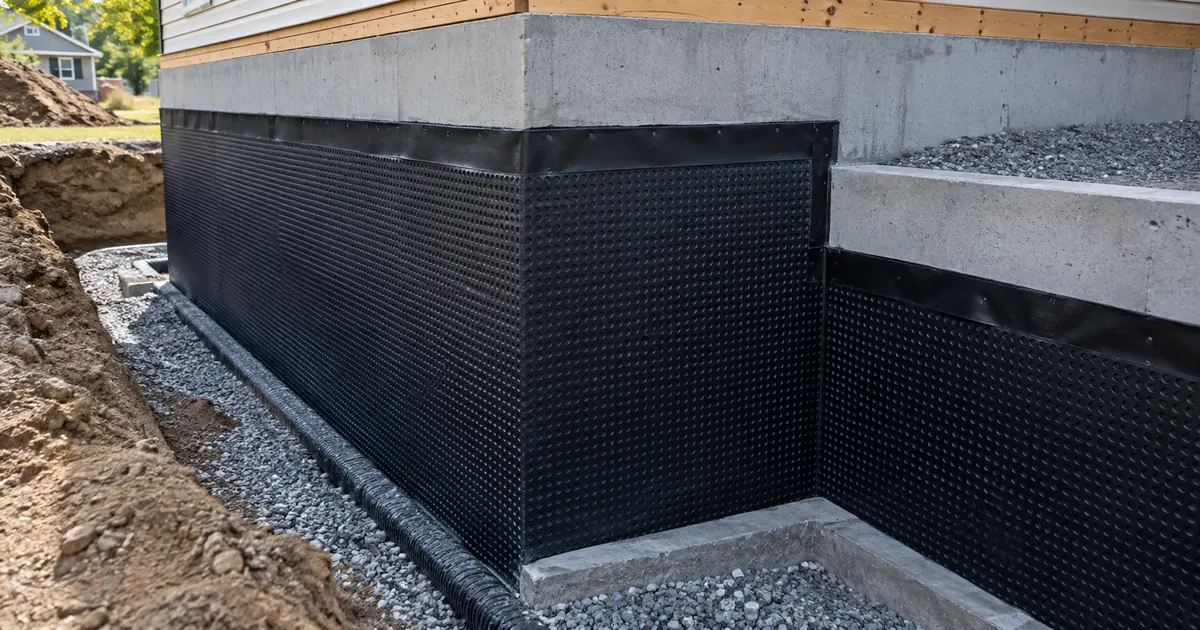
Exterior foundation waterproofing treats the outside face of the wall and its drainage details where the property allows access. A complete proposal should address excavation, wall preparation,…
Foundation crack repair
A leaking foundation crack may be repairable as a localized water-entry route, but the method depends on the wall material, the condition of the crack and access.…
Sump pumps
A sump pump installation or replacement should be assessed as part of a complete water-management arrangement. The pit, incoming drainage, float, check valve, discharge route, power and…
Weeping tile
Weeping tile is foundation drainage that collects water near the footing and directs it toward an assessed outlet. Repair or replacement should follow evidence about its condition,…
Understand the difference
Interior or exterior waterproofing?
The right approach depends on the water route, foundation, existing system and practical access.
| Question | Interior collection | Exterior treatment |
|---|---|---|
| Where does it work? | Collects and manages water near the inside perimeter. | Treats the outside wall and related drainage details. |
| What access is needed? | Floor edges and sometimes finished interior walls. | Outside access beside the foundation. |
| What needs restoring? | Concrete and any affected interior finishes. | Backfill and agreed paving, landscaping or other surfaces. |
| What else matters? | Collection, sump where needed, discharge and maintenance. | Preparation, compatible layers, drainage and outlet. |
What happens next
Start with the source of the water.
Describe the issue
Share the first wet location, when it happens and your Mississauga postal code or nearest major intersection. Existing equipment and earlier repairs are useful context.
Review the property
Our team confirms availability, the assessment scope and any fee. They explain what can be checked and whether further investigation is needed.
Decide on a clear scope
We explain the proposed method, access, drainage connections, restoration and exclusions so you can review the complete scope before work begins.
Mississauga Basement Waterproofing Pros helps homeowners understand basement leaks, drainage concerns and practical waterproofing options. Contact our team to discuss your basement and arrange an assessment.
Local guidance that changes the decision
Check the details before work starts.
Mississauga and Peel programs address different measures and drain connections. The application sequence and exclusions matter just as much as a published maximum.
A narrow side yard, a finished basement or shared drainage can also change the practical scope. Ask about your property rather than choosing a method from its neighbourhood alone.
Rebates, permits and the right connection.
Our dated guide separates City prevention, Peel sanitary-valve and City resilience programs. It links to official criteria and explains why an ordinary waterproofing repair is not automatically eligible.
Read the rebate and permit guide →A useful estimate starts with scope
What affects your waterproofing estimate?
The extent of water entry, depth and access, existing drainage, finished surfaces and reinstatement all change the job. A pump replacement should not be compared with a full perimeter system as if both solve the same problem.
Understand waterproofing costs →Look for a complete proposal.
- The area and problem being addressed
- Components, connections and outlet
- Opening, protection and disposal
- Permits and inspection responsibility
- Concrete, finishes and surface restoration
- Taxes, exclusions and written terms
Homeowner guides
Understand the next step.
Practical explanations for the questions that come before choosing a repair.
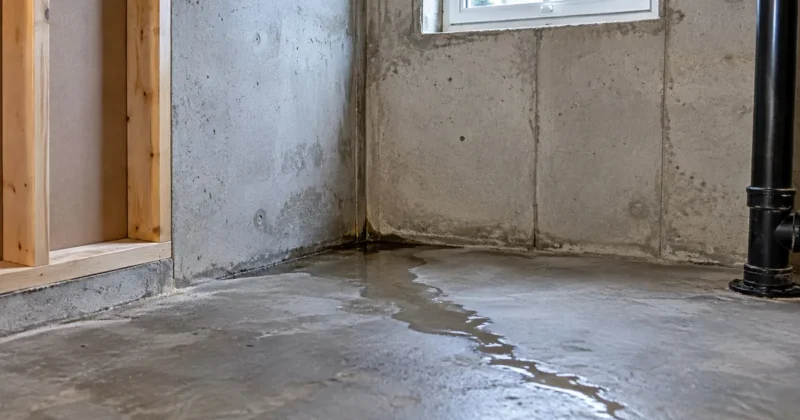
Water in Your Basement After Rain: What to Check First
After rain, record where water first appears, when it begins and whether the pattern repeats—only from a safe, dry position. Those observations help distinguish window-area water, wall…
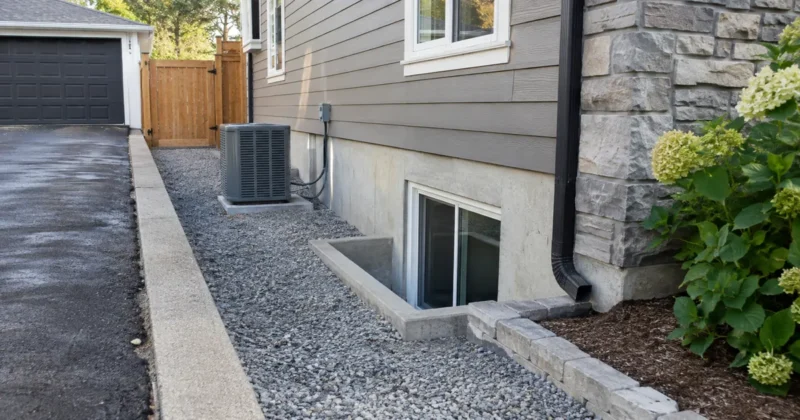
Interior vs Exterior Waterproofing: How to Compare the Options
Interior waterproofing generally collects and manages water at the inside perimeter. Exterior waterproofing treats the outside foundation wall and related drainage details. Compare the methods by the…
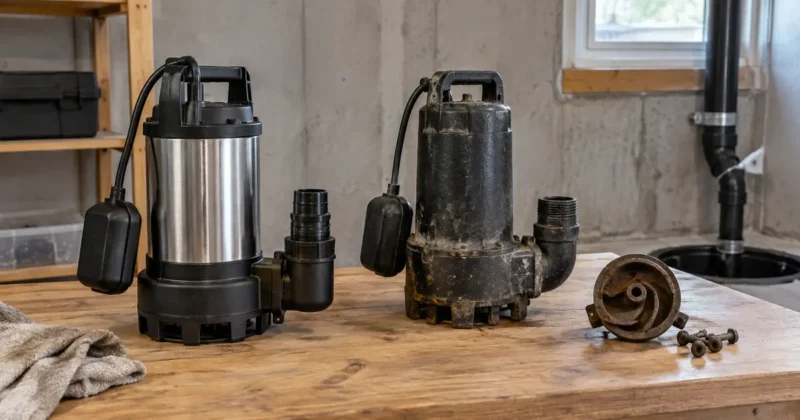
Sump Pump Repair or Replacement? Signs to Discuss at an Assessment
A change in sump-pump noise, cycling or water level is a reason to assess the system, not automatic proof that the pump needs replacement. The incoming drainage,…
Clear answers
Questions before you request an assessment.
Is interior or exterior waterproofing better?
There is no universal winner. The water-entry route, access, foundation and existing drainage determine which approach is worth assessing. Compare the methods and their limits.
Can one leaking crack be repaired on its own?
Sometimes a localized repair fits the findings. Wall material, access and movement concerns must be considered first. See what changes a crack repair.
Will a finished basement need to be opened?
It depends on inspection and repair access. The proposal should identify which finishes are affected and who replaces them. Review interior access considerations.
Why can two estimates be very different?
They may include different areas, components, outlets or restoration. Compare equivalent scopes before comparing totals. Use the cost and scope guide.
Does a new sump pump qualify for a rebate?
Not automatically. The connection and program conditions matter, and interior waterproofing systems have important exclusions. Check the local guide and official criteria.
Does dampness always mean the foundation leaks?
No. Condensation and ground vapour can also contribute. A dehumidifier and a water-entry repair have different jobs. Understand the moisture distinctions.
A clearer next step
Tell us what is happening in your basement.
Where does the water appear? When did you notice it? Tell us about any existing pump, drain or previous repair. You do not need to choose a waterproofing method before making an enquiry.
Start with your Mississauga postal code or nearest major intersection. Our team will review the concern and confirm the assessment scope before you decide to proceed.
Start with what you see
Request an assessment
A few details help our team understand your basement concern.