
A crack is an observation, not a complete diagnosis
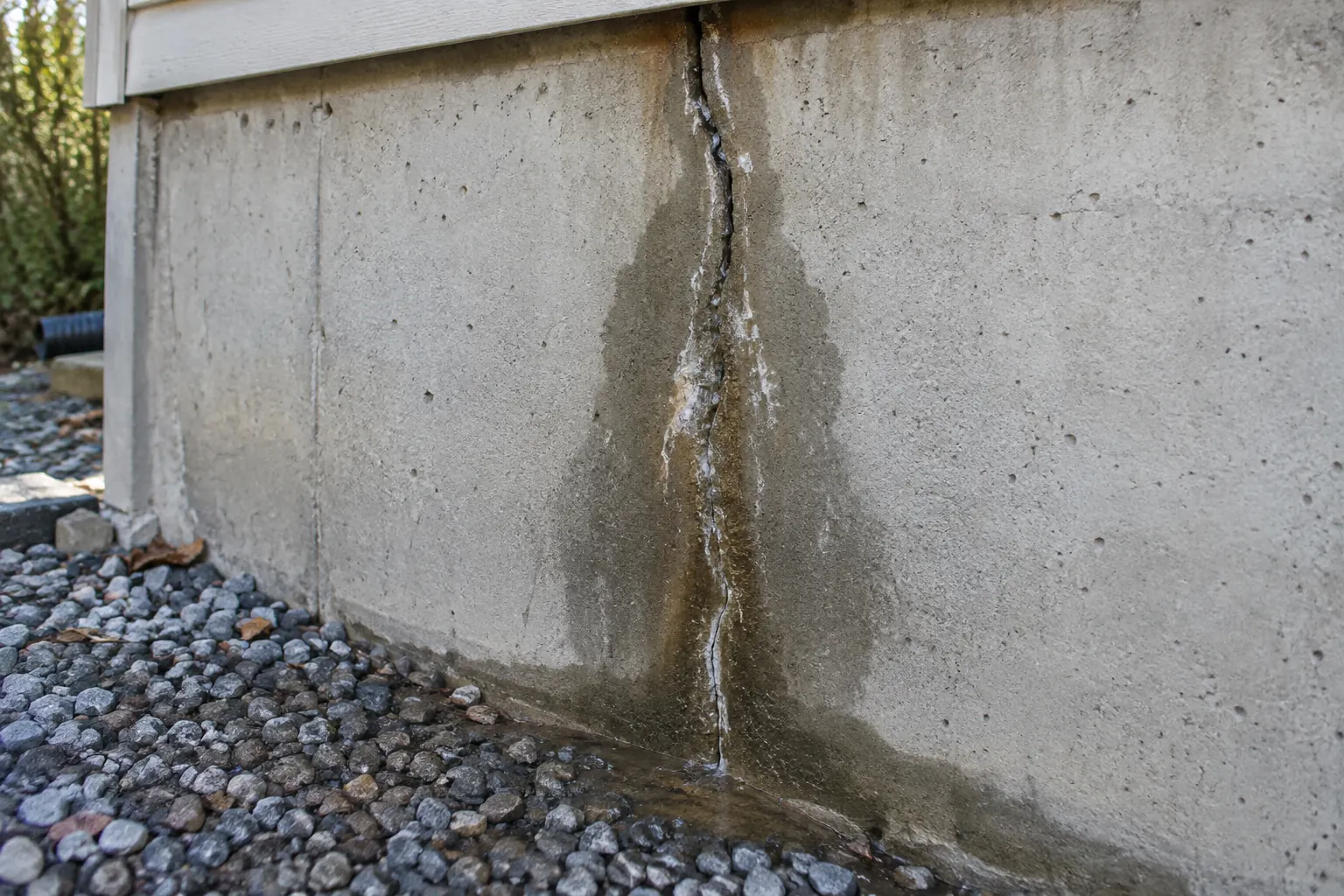
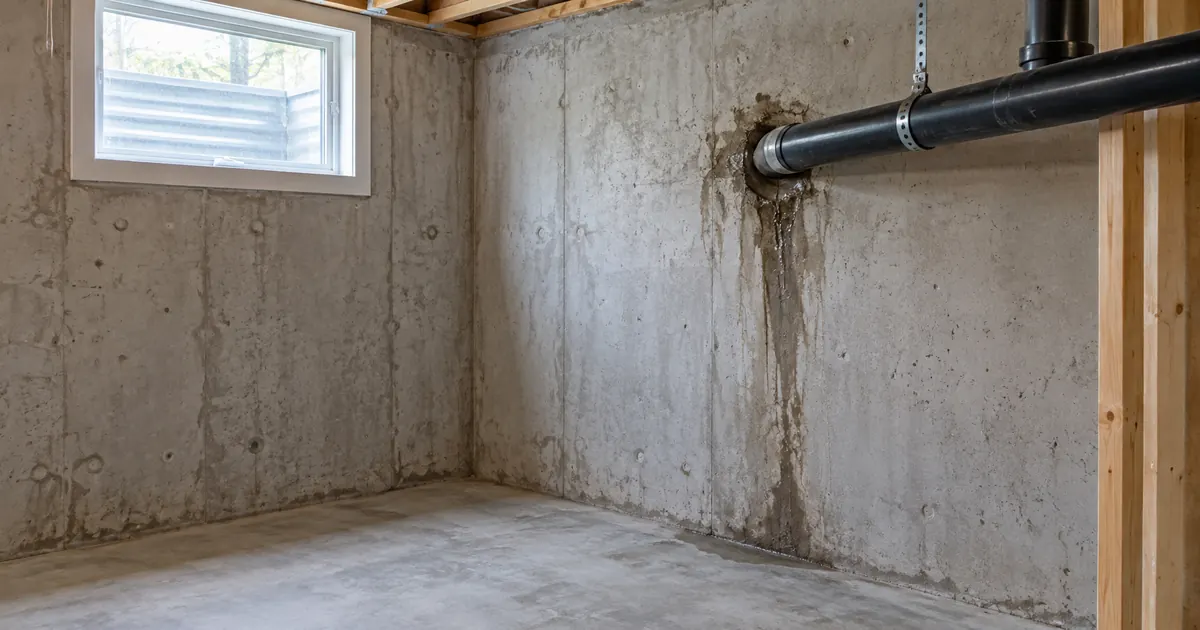
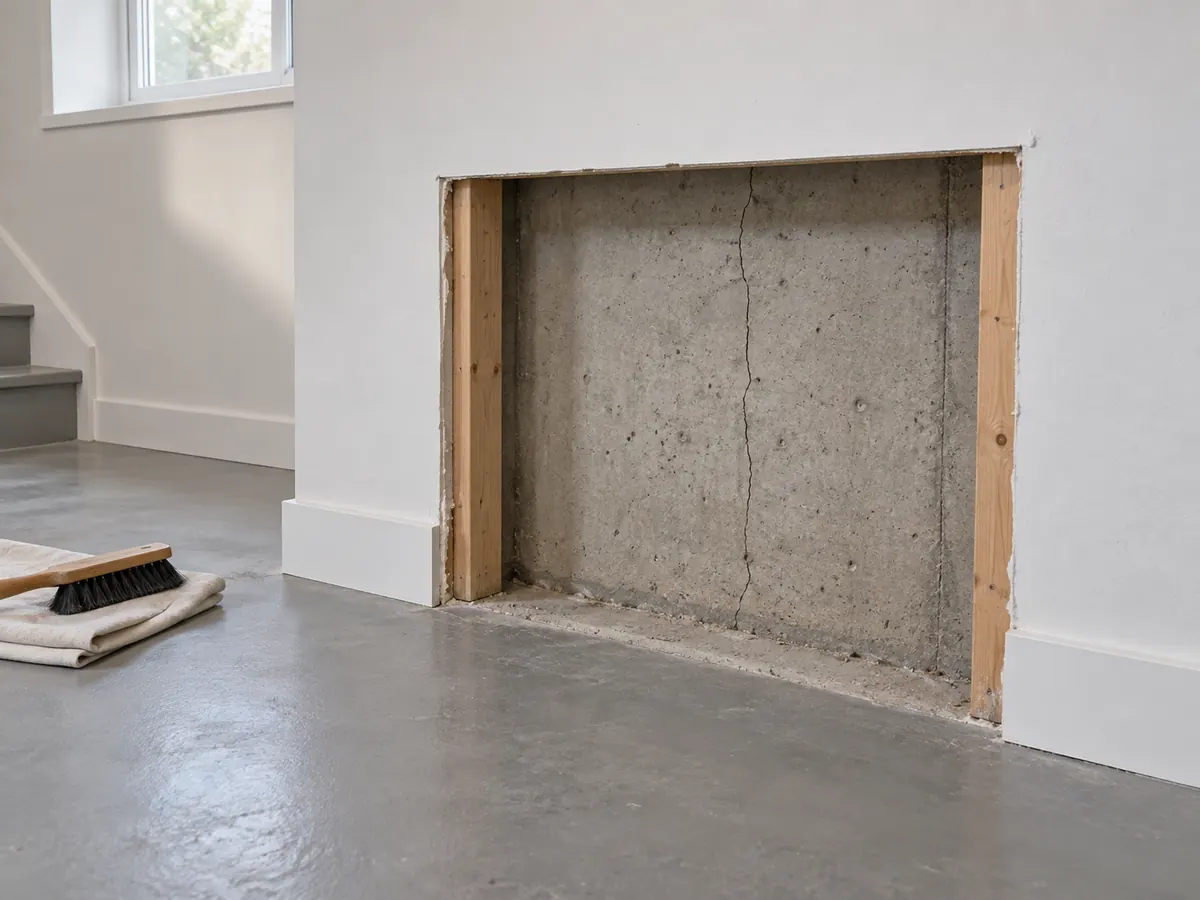
A wet line on a wall can help identify where water becomes visible. It does not show everything happening within the wall or outside it. Water may follow a crack, a construction joint or a nearby penetration, and a finished surface can conceal the actual entry point.
Tell the assessor whether the crack appears to have changed, whether water follows particular weather, and whether the area has been repaired before. Existing photographs or dated notes can be helpful if they were obtained safely. There is no need to scrape a surface, drill a wall or remove a finish to prepare an enquiry.
If you are unsure whether the visible line explains the leak, start with basement leak diagnosis. Repairing the most obvious mark without reviewing other evidence can leave the underlying water route unaddressed.
Wall construction changes the options
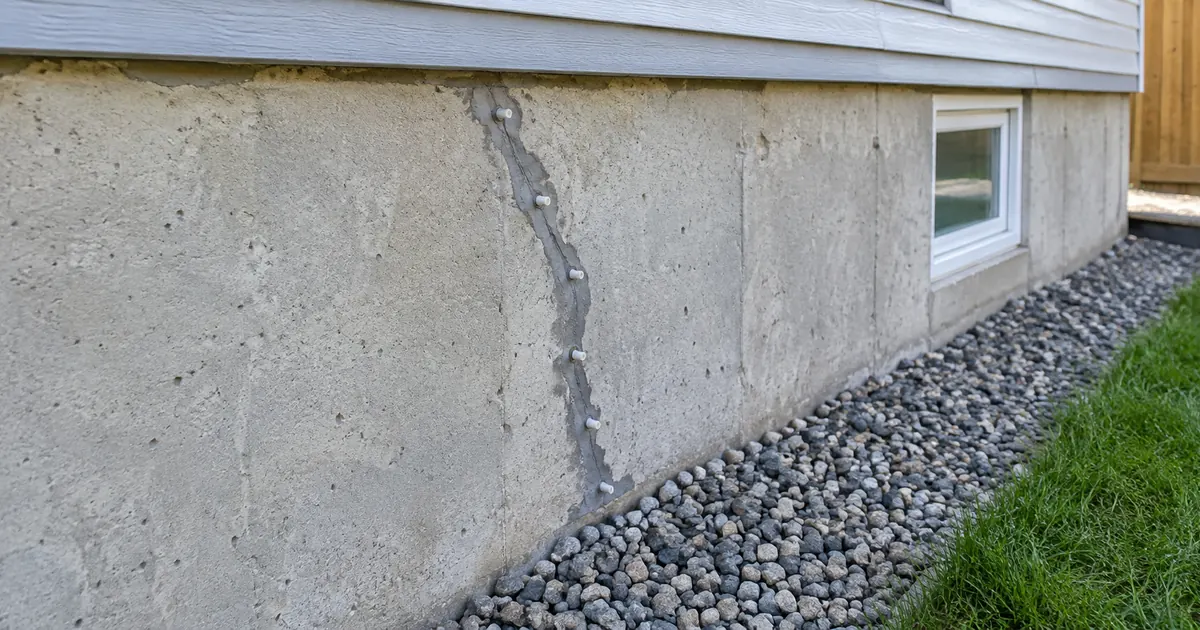
Poured concrete and masonry do not present the same repair conditions. A crack through a poured-concrete section may be considered for an appropriate injection system after assessment. A block foundation includes units, mortar joints and internal spaces that can allow water to follow a different route. A repair suited to one construction type should not automatically be applied to the other.
Paint, coatings, previous patching and interior finishes can also affect access and assessment. The contractor should identify what can be seen, what needs to be exposed and whether the full leaking path can be reached. Ask which materials the proposal is intended to bond to and what preparation is included.
Injection, exterior treatment and their limits
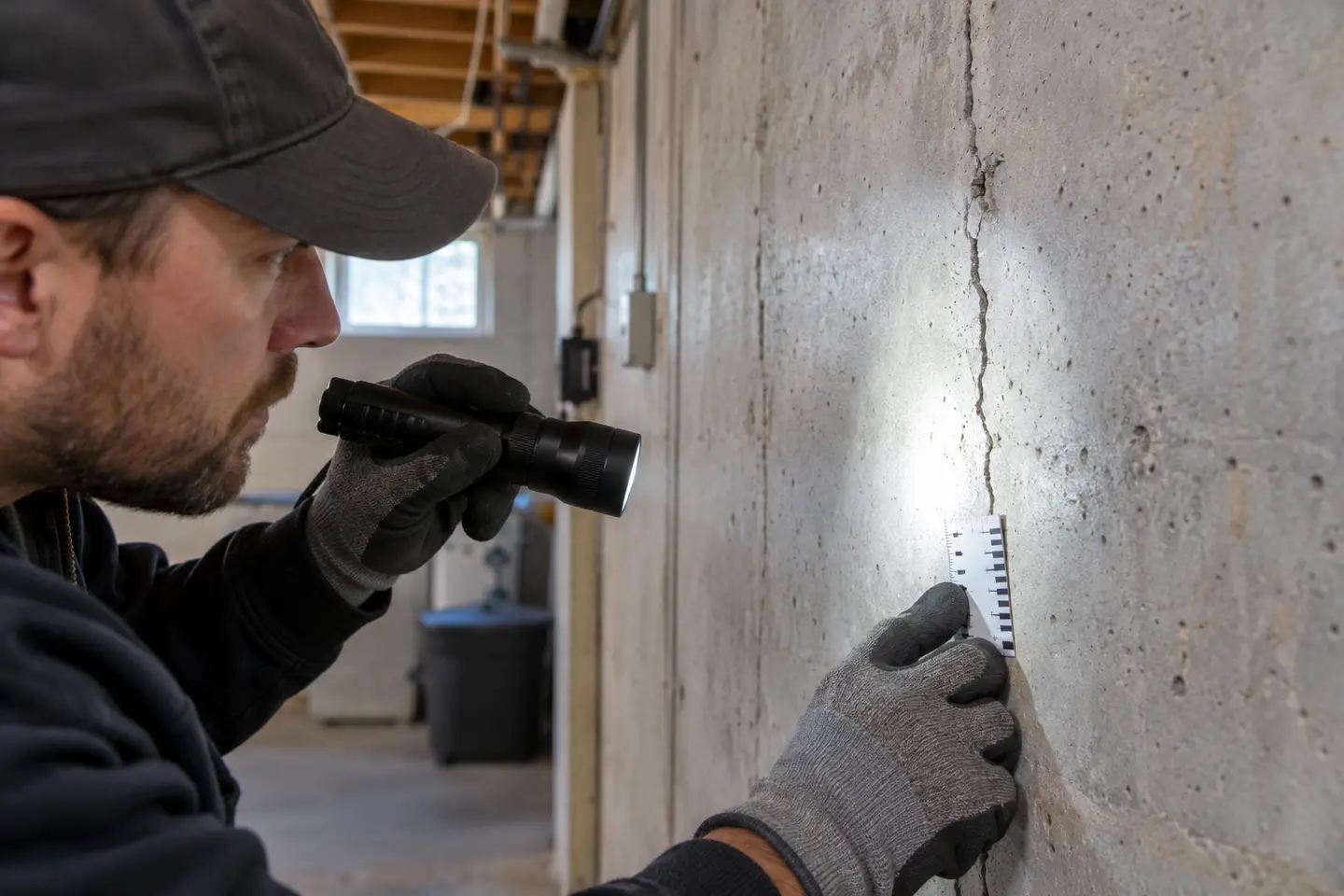
Injection is a method of placing a specified repair material into an assessed crack or void. It is not a single product or a guarantee that every crack is suitable. Polyurethane and epoxy systems can have different intended properties and applications; selecting between them requires more than an online preference or a photograph.
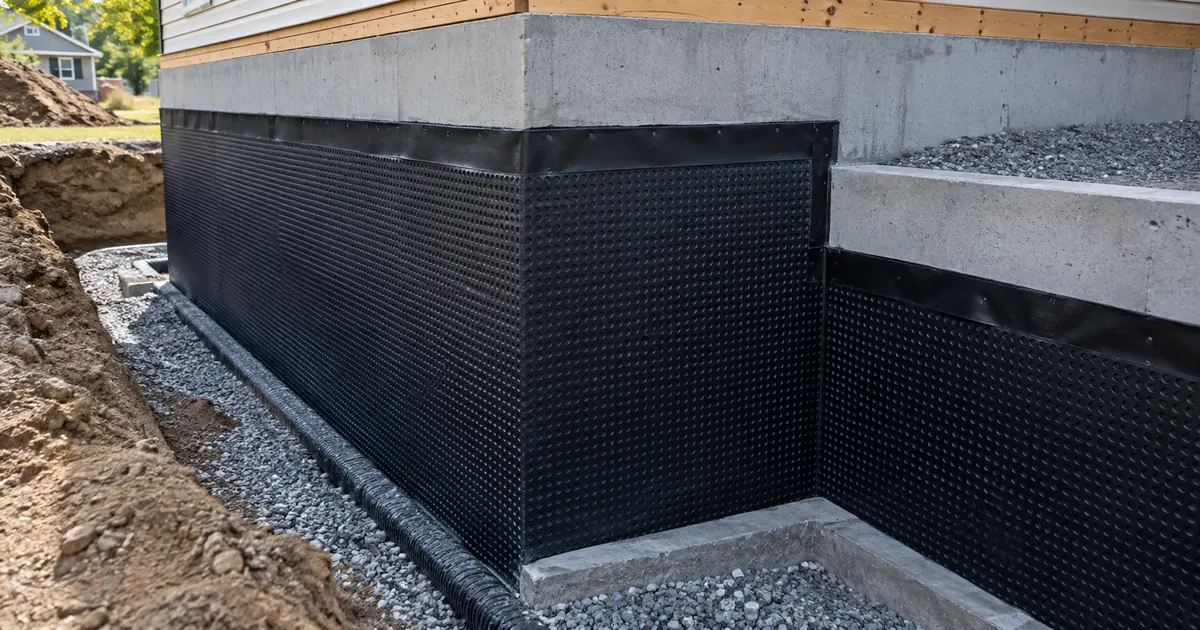
An exterior repair may be considered where outside access allows the wall condition and water-entry detail to be treated. The scope may involve excavation, preparation, a compatible waterproofing detail and reinstatement. Ask how the limited repair meets the surrounding wall treatment and whether drainage conditions need attention too.
A wider exterior waterproofing scope may be relevant if the assessment identifies several defects or a broader wall-treatment issue. That should follow the findings rather than being assumed from the existence of one crack.
Keep structural questions separate
Leak sealing and structural evaluation answer different questions. A repair may address water passing through a route without explaining why the crack developed or whether movement continues. Conversely, a structural recommendation may need a separate waterproofing detail to manage water.
Discuss observed changes, wall displacement, recurring damage and other movement concerns with a suitably qualified professional. The direction or apparent width of a line in an online image cannot reliably classify the property’s safety. This website does not provide engineering reports or remote structural clearance.
Ask whether the quoting contractor’s scope includes only water sealing or also any structural work. If an engineer or another specialist is needed, that involvement and its effect on the repair sequence should be clear before work starts.
Working in a finished basement
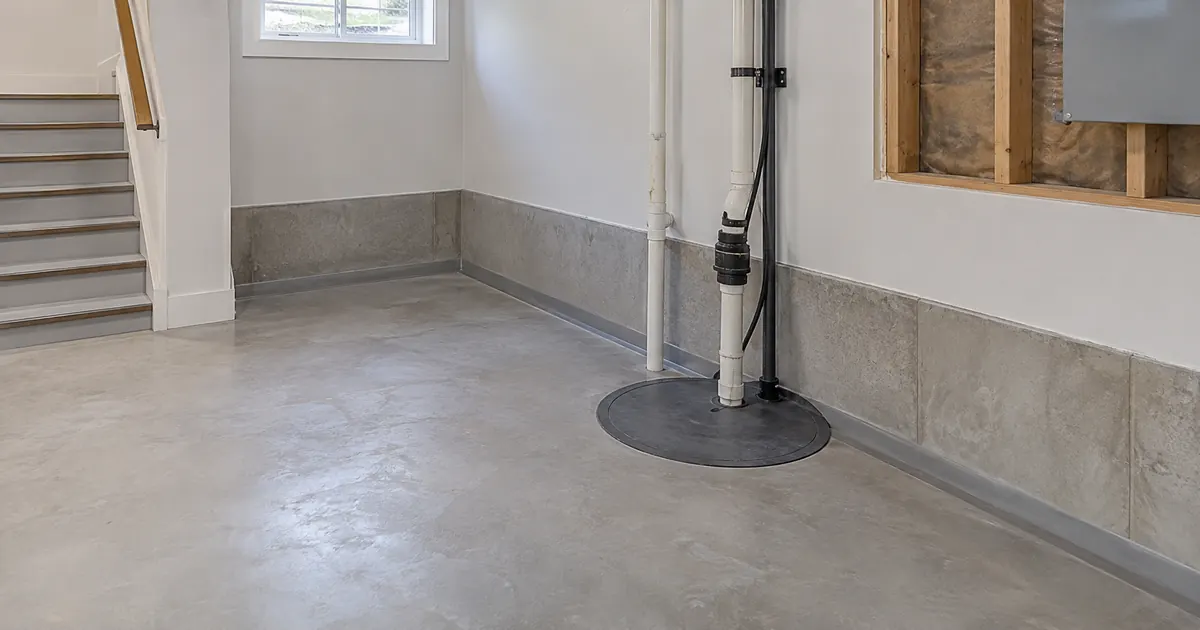
A finished wall can limit both inspection and repair access. Establish which framing, insulation, drywall or trim needs to be opened and who is responsible for replacing it. Access to the foundation may be required beyond the small area where moisture first appeared.
Protecting stored belongings and managing dust should be part of planning. If concealed materials are damaged or there is a concern about mould, define whether assessment or remediation by another specialist is needed. Do not assume that sealing the entry route also restores affected finishes or addresses every indoor-air concern.
The crack repair article gives a more detailed list of questions about wall construction, access and the limits of a proposed repair.
What the quote should explain
- The specific crack or entry route included and the evidence supporting that scope.
- The foundation material and any limitation on what could be inspected.
- Preparation, the proposed repair system and how existing patching is handled.
- Interior opening or exterior excavation, including protection and disposal.
- Restoration of finishes or surfaces, with exclusions stated separately.
- Any required specialist evaluation, approvals or additional investigation.
- Written workmanship or product terms, maintenance conditions and the process for reporting recurrence.
No online price can tell you whether those items have been included. A short accessible repair and work behind finished walls or exterior obstructions can have very different scopes. Use the cost guide to compare the proposed work rather than treating every crack as an identical unit.
Mississauga property questions
Older repairs, additions and renovations can change the wall detail and available access. For a semi or townhouse, determine whether the foundation element or outside working area has shared responsibilities. These are property-specific questions; the neighbourhood name does not determine the repair method.
If excavation, drainage changes or structural work forms part of the proposal, check the entire scope against the local permit guide. Do not assume a general “crack repair” label settles every approval question.
Common crack-repair questions
Can a dry crack still be worth discussing?
Yes, especially if you have records of previous leakage or changes. A dry-day inspection should distinguish what is observed now from what is documented from earlier conditions.
Does a sealed line mean the movement has stopped?
No. A sealed appearance is not evidence of structural stability. Ask separately about the need to investigate movement.
Should every crack be injected?
No. Suitability depends on construction, condition, access and the purpose of the repair. The contractor should explain why a specific method fits the assessed route.
A clearer next step
Tell us what is happening in your basement.
Where does the water appear? When did you notice it? Tell us about any existing pump, drain or previous repair. You do not need to choose a waterproofing method before making an enquiry.
Start with your Mississauga postal code or nearest major intersection. Our team will review the concern and confirm the assessment scope before you decide to proceed.
Start with what you see
Request an assessment
A few details help our team understand your basement concern.