

Write down the problem each quote addresses
Start above the price line. Does the proposal address a leaking crack, floor-edge seepage, exterior wall treatment, foundation drainage or a pump concern? If two contractors recommend different methods, ask what finding supports each recommendation.
A quotation may include a firm repair scope, further investigation or an allowance for a concealed condition. Those are different levels of certainty. Ask the provider to identify what is confirmed and what could change after access is opened.
If the cause remains unclear, a low fixed price for an assumed repair may not describe the eventual job. The first comparison should establish whether both proposals are intended to address the same water route and the same area of the property.
Use three columns: included, excluded, unresolved
Create a simple comparison sheet and mark every important item. “Not mentioned” should go in the unresolved column, not silently be treated as included. Ask for clarification in writing so the final scope can be understood later.

| Scope category | What to compare |
|---|---|
| Finding and work boundary | Identified problem, affected wall or run and intended result |
| Quantities | Defined length, area, number of repairs or equipment units |
| Preparation | Investigation, surface preparation and removal of earlier material |
| System components | Collection, membrane, protection, pit, pump, controls or valve where specified |
| Connections and outlet | New and retained sections, destination and suitability checks |
| Access and protection | Inside finishes, outside obstructions, adjoining surfaces and belongings |
| Disposal and restoration | Soil, debris, concrete, flooring, wall finishes, paving and landscaping |
| Approvals and trades | Permits, inspections, plumbing, electrical and specialist involvement |
| Price and terms | Tax, payment stages, change authorization and written coverage |
The table is a way to organize discussion. It does not decide which technical recommendation is correct. Ask the contractor to connect each proposed measure to the findings.
Check what the measurement includes
A per-length rate needs a clearly identified run. Ask which walls, corners or sections are counted and which tasks the rate covers. A lump-sum proposal should still name the extent and components rather than leaving the measurement invisible.
Do not multiply one contractor’s unit rate by another contractor’s area without checking the inclusions. Access, mobilization, outlet changes and restoration may be priced separately. A per-crack repair, a perimeter collector and exterior excavation also use different scope assumptions.
A useful quote may include a marked drawing or description of the included area. The level of detail should be enough for both homeowner and contractor to identify where work starts and stops. If only one wall is included, the boundary and relationship to existing conditions should be clear.
Compare interior and exterior work on the right basis
An interior drainage proposal may include opening the floor edge, a collection system and an outlet or sump arrangement. An exterior proposal may include excavation, wall preparation, waterproofing layers, drainage and reinstatement. Those are not identical tasks performed from different directions.
Ask why each method suits the assessed route and what limitations remain. Compare the practical disruption and maintenance dependencies as well as the immediate price. The interior-versus-exterior guide explains those differences without assigning a universal winner.
If a localized repair is proposed by one contractor and a broader system by another, clarify the reasoning before comparing totals. The larger scope might address additional findings, or it might include work beyond the specific problem you asked about. The explanation matters.
Follow every collection component to an outlet
A drain or collector needs a suitable receiving route. The quote should identify what happens after water reaches the new component. Is an existing connection retained? Is a sump required? Is the discharge changing? What has been assessed about that arrangement?
The foundation-drain page explains why location and connections are as important as the pipe itself. A proposal that names new drainage but does not describe the outlet leaves a gap in the scope.
Where equipment is reused, ask what supports that decision. Where another trade must complete a connection or electrical alteration, identify who arranges it and whether the cost is included. The completion of one contractor’s portion should not be mistaken for a fully operating system if another essential task remains.
Access and protection can change the whole job
Inside work may affect flooring, drywall, trim, storage or built-in fixtures. Outside work may affect a driveway, deck, steps, planting or a narrow side yard. Ask each contractor to state the access assumptions used in the quotation.
Shared or neighbouring space requires an appropriate arrangement. A proposal should not assume that another property can be excavated or used for material storage without permission. For condos or common drainage, identify the necessary authorization before pricing a privately controlled job that may involve a shared element.
Protection also deserves detail. Discuss dust, adjoining rooms, stored belongings, material handling and the surfaces that will remain in place. A very brief quote may omit these tasks even if the contractor expects them to be necessary.
Restoration is more than closing the opening
Concrete reinstatement does not automatically include finished flooring. Backfill does not automatically include new sod, matched paving or rebuilding a deck. List the surfaces affected and ask which will be returned, replaced or left for another trade.
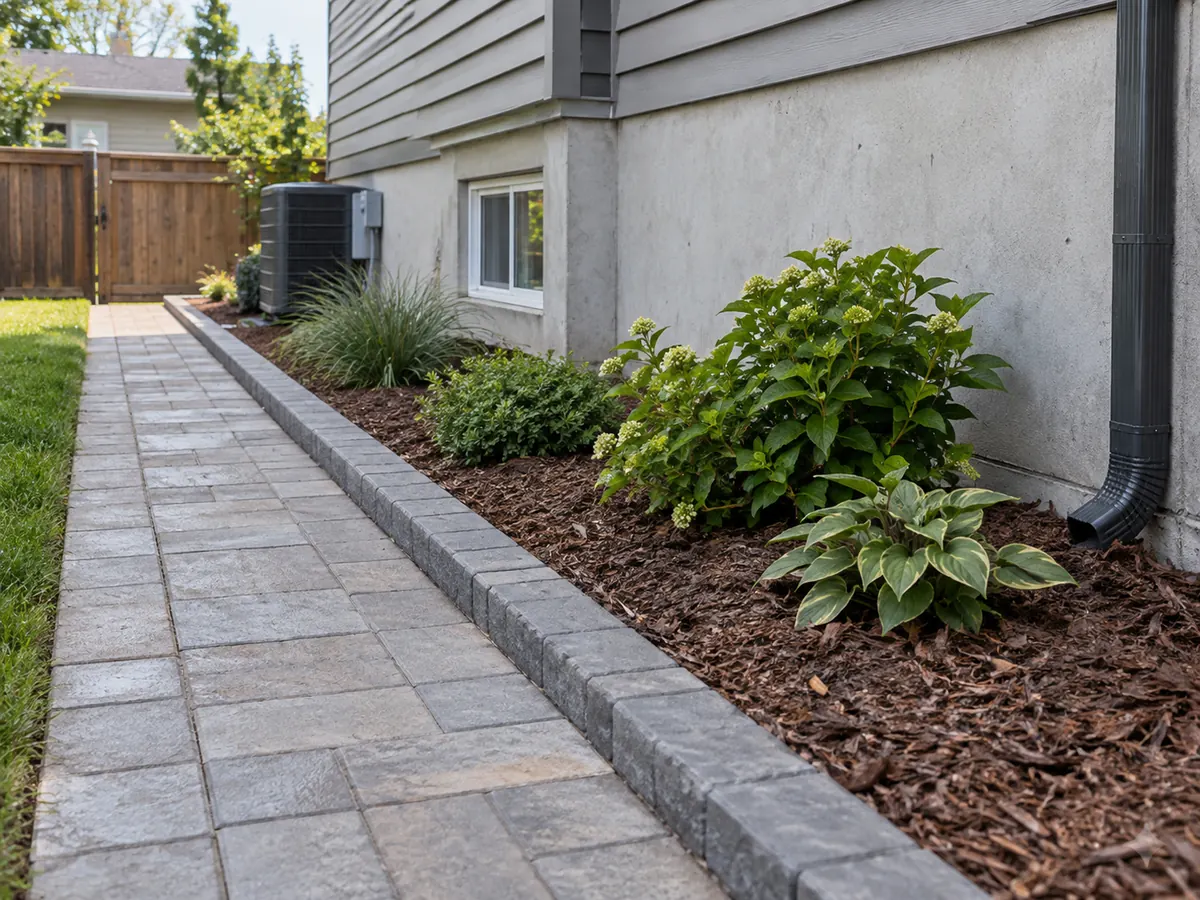
Material matching can be limited by age and availability. Discuss the intended finish and any allowance before work begins. If a later adjustment or follow-up task may be required, identify responsibility rather than relying on an informal expectation.
The same principle applies inside. Replacing wallboard without painting, or leaving trim for a separate contractor, may be a reasonable agreed scope. It needs to be visible when comparing the total with a proposal that includes complete finish work.
Clarify permits, tax and changes
Ask which approvals and inspections apply to the full proposal and who obtains or arranges them. A permit and a rebate application have different purposes. The Mississauga and Peel guide links to official starting points, but the actual work determines the requirement.
The quotation should make applicable taxes and payment stages understandable. Ask how a hidden condition or requested change is documented and authorized before extra work proceeds. A stated change process is more useful than finding out afterward that two people understood the allowance differently.
Do not treat a maximum rebate as a guaranteed discount. Keep the full contractor price visible and confirm any program eligibility through the official administrator. Avoid comparing one total before assistance with another total after an assumed reimbursement.
Read written coverage and maintenance terms
If workmanship or product coverage is offered, identify who provides it and what it covers. Ask about exclusions, maintenance responsibilities, reporting a concern and any transfer conditions. A large headline warranty period says little without the actual terms.
Coverage for a defined repair area should not be interpreted as protection against every possible basement water route. Pump operation, outlet maintenance, unrelated defects and later alterations may have their own conditions. Ask the service provider to explain the scope in plain language.
This guide does not certify a quotation or interpret a service agreement for you. The aim is to help identify the questions that should be resolved with the service provider before you authorize work.
Make the comparison useful enough to decide
By the time you compare totals, you should know what each proposal addresses, how much work it includes, which existing components remain and what the property will look like at completion. Remaining uncertainties should be stated and paired with a process for resolving them.
Keep the final written scope, approved changes, product information and inspection records together. Those documents are useful for maintenance and future property questions as well as the immediate project.
For the wider cost factors, read waterproofing costs and quote scope. To start a new enquiry, request an assessment and describe the water pattern and known access constraints. The contractor should confirm the assessment scope and any fee before attendance.