
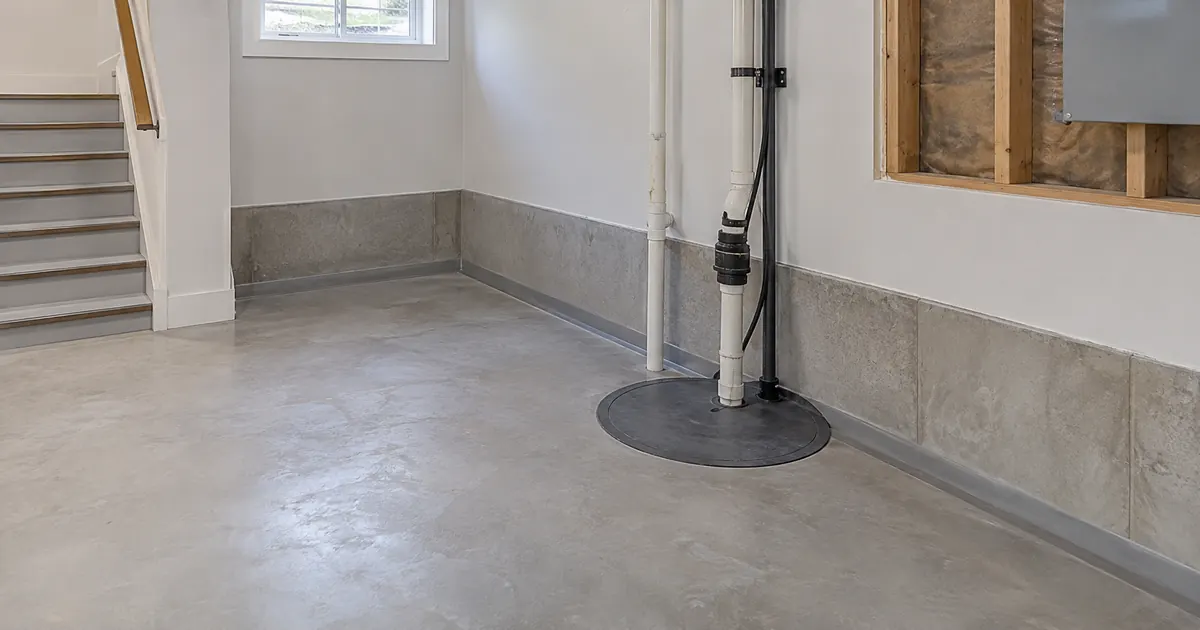
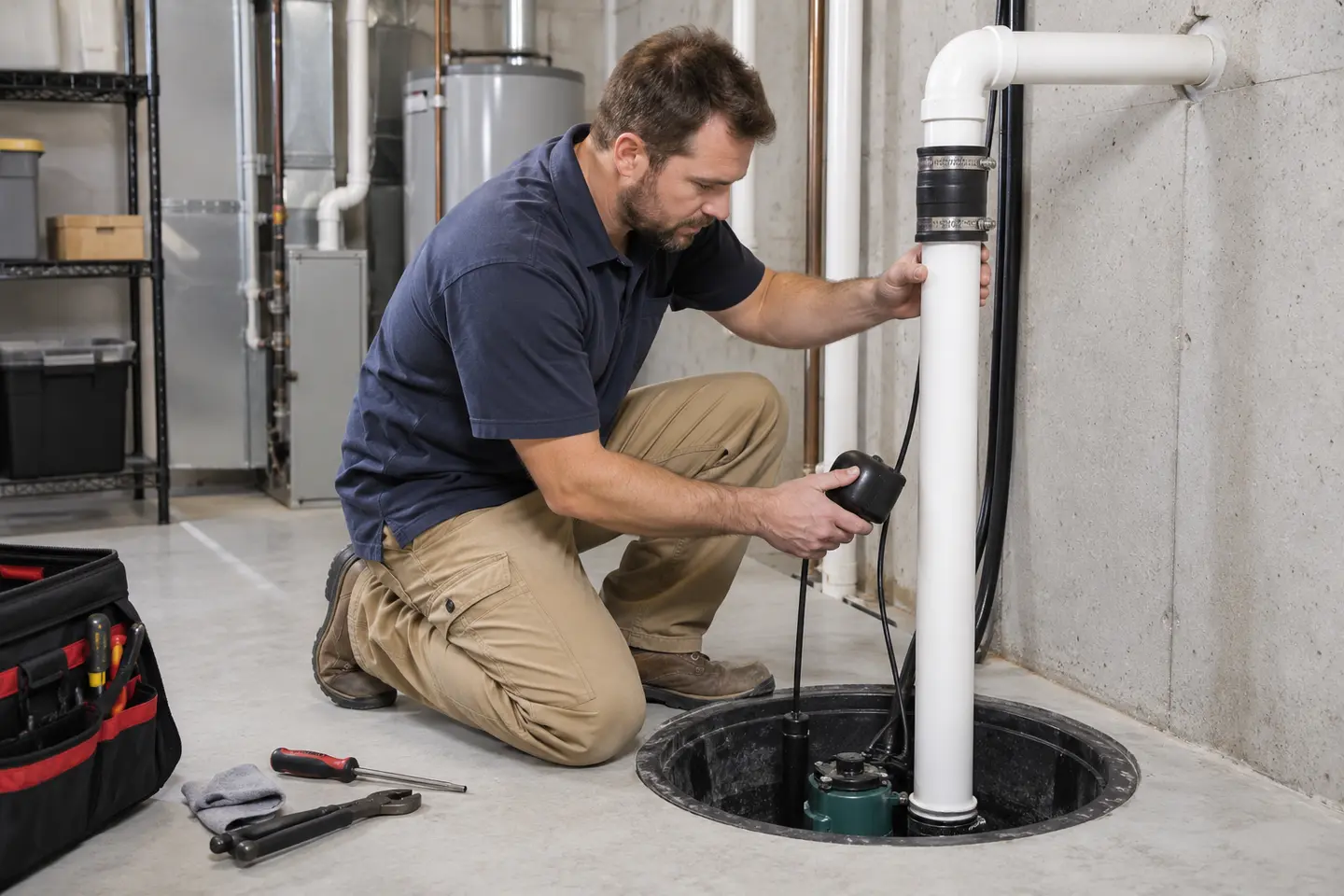
A pump moves collected water; it does not find every leak
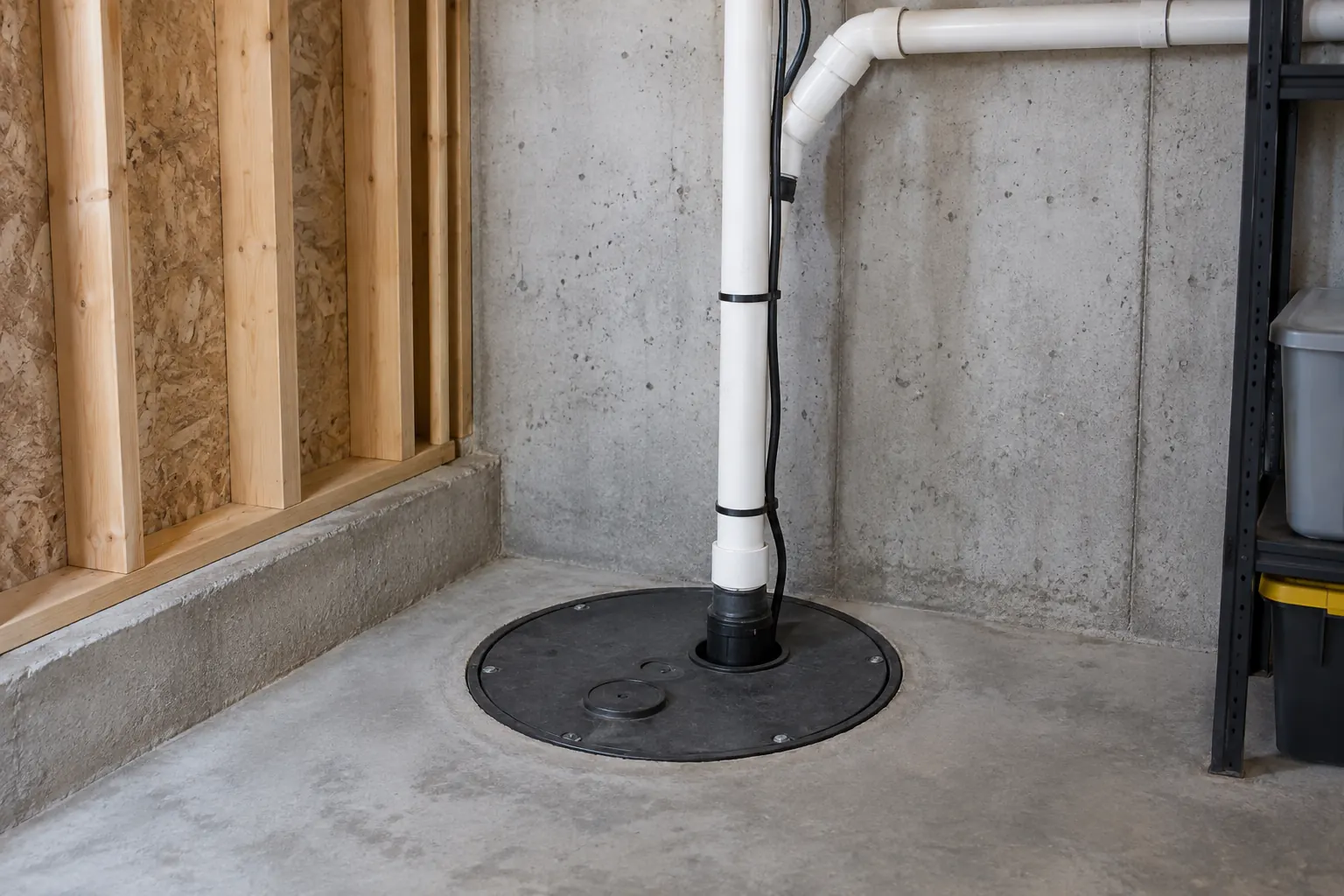
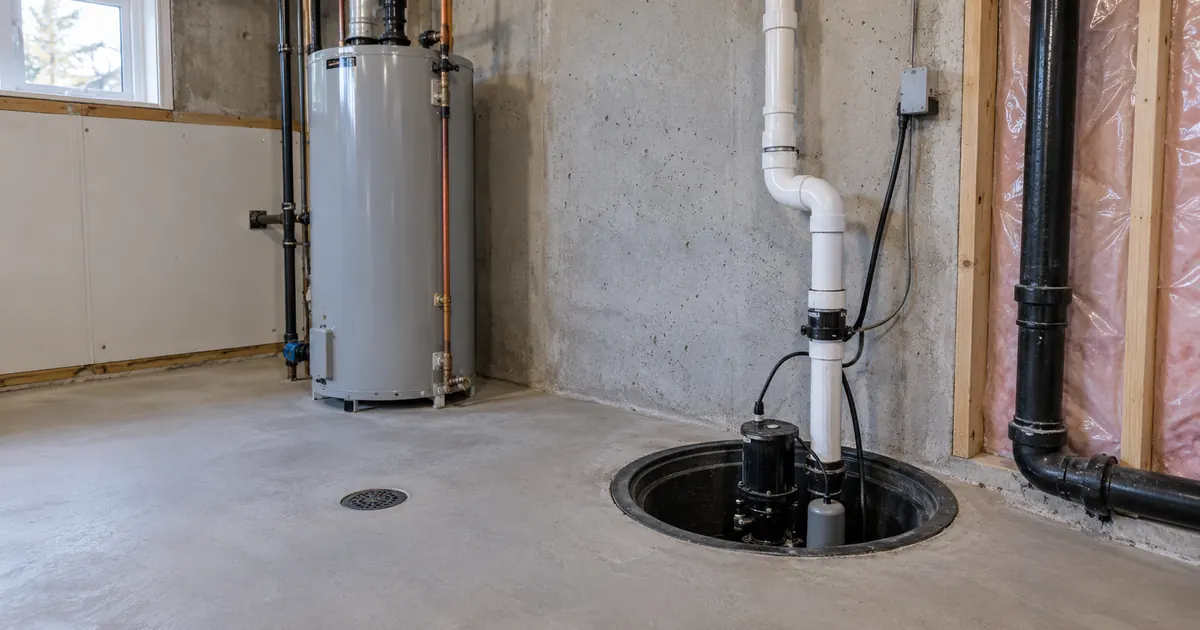
The sump pit receives water from the connected collection system. The pump then moves that water through its discharge arrangement. A pump cannot capture water that never reaches the pit, seal a leaking window or prevent reverse flow in an unrelated sewer line.
Before choosing equipment, establish what the pit collects and where the discharge goes. Existing drainage may have been altered during renovations or previous repairs. A visible pipe entering a pit is not enough to confirm the whole underground connection.
If basement water is appearing away from the collection area, leak diagnosis or a foundation-drain assessment may be needed alongside pump work. A new pump should not be offered as a universal answer to a wet basement.
What changes the installation or replacement scope?
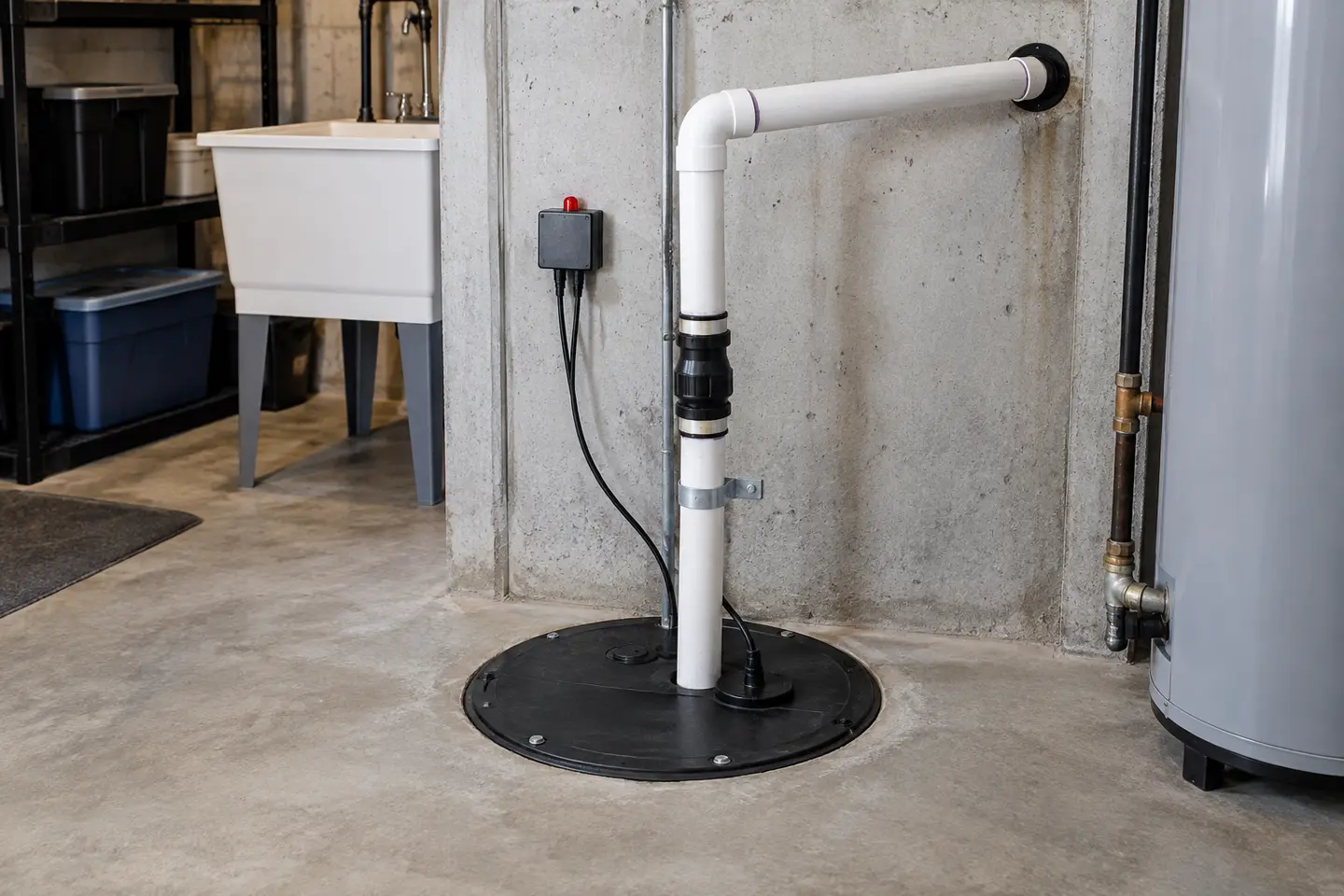
A straightforward replacement may be possible when the pit, connected drainage, discharge, electrical supply and access remain suitable. Other properties need changes to those elements. The contractor should explain what was assessed and which components will be kept, replaced or added.
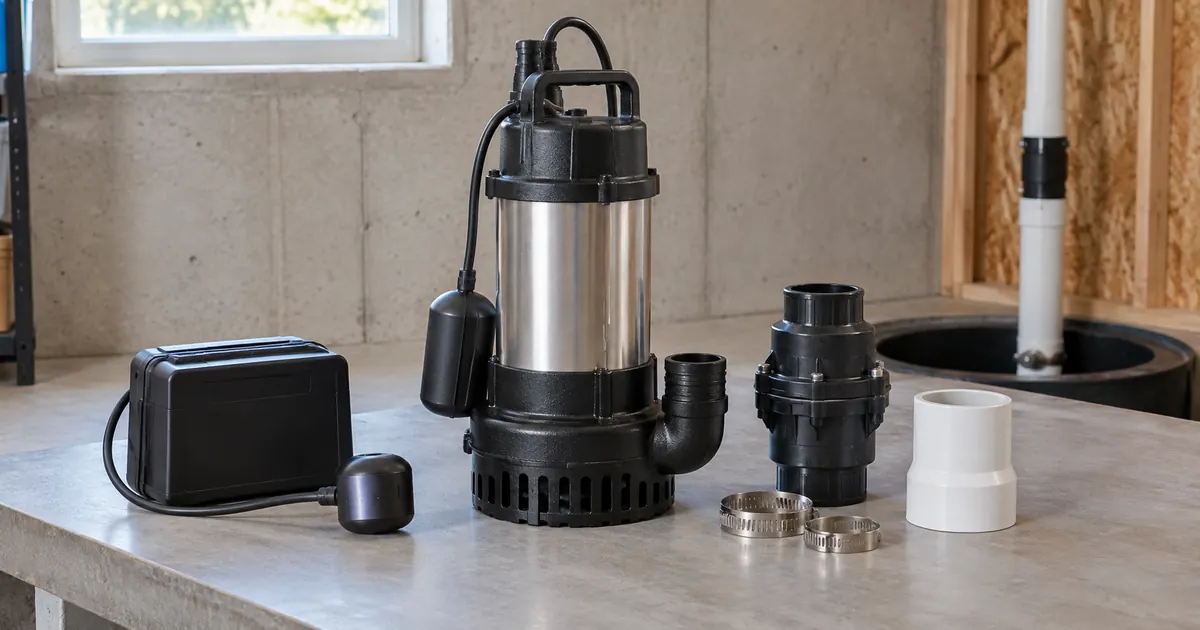
Pump selection depends on the operating conditions, including the volume reaching the pit and resistance along the discharge route. Lift, pipe arrangement and other restrictions affect the duty. Choosing solely by motor rating or buying a larger unit does not establish that the system will suit the property.
A pit also needs room for the specified equipment and unobstructed controls. The cover, access and connections should be compatible with the intended arrangement. Do not reach into a pit or handle equipment near water to check these details yourself.
Observations worth discussing
| Observation | Topics for professional assessment |
|---|---|
| Frequent starts and stops | Incoming water, pit arrangement, float operation and return flow |
| Longer running than previously noticed | Water entering the pit, discharge restrictions and equipment performance |
| A high-water alarm | Actual water level, pump operation, power and outlet conditions |
| Unusual noise or vibration | Equipment condition, mounting and connected piping |
| A wet area near discharge piping | Pipe joints, supports, routing and the actual leak location |
These observations are not a fault code. Several issues can produce similar symptoms, and equipment may operate differently during a wet period. Record what changed and when from a safe, dry location. The repair-or-replacement guide explains how to prepare that information without unsafe testing.
Discharge, power, alarms and backup
A discharge route must carry water to an appropriate location without sending it back toward the foundation or creating a problem for another property. Ask how the outlet was assessed, what maintenance it needs and how weather-related restrictions are considered. Do not assume the existing outlet is suitable simply because it is already there.
Electrical alterations belong with an appropriately qualified electrical contractor and the applicable ESA notification process. Your pump contractor should identify any electrical work that is outside their scope.
A backup pump, backup power source and high-water alarm are different tools. An alarm provides notice; it does not move water. Backup equipment has finite operating conditions and may share discharge components with the main pump. Ask what the proposed backup can address, what it depends on and what maintenance is required. It should not be described as a guarantee against flooding.
Plan for maintenance access
Leave the pit cover, controls and serviceable discharge components accessible. If finishing the basement, coordinate the layout before permanent cabinetry or flooring covers the area. A system that is difficult to reach is harder to inspect and service.
Ask for the selected equipment’s instructions and a clear explanation of safe maintenance responsibilities. The schedule should reflect the product and actual system rather than an invented universal interval. Keep model information, the installation scope and service records together for future reference.
Water near electrical equipment changes the situation. Keep clear, avoid touching the pump or a panel, and follow ESA flood-safety guidance. An online enquiry is not an emergency response arrangement.
Mississauga rebates: the connection matters
A pump does not automatically qualify for the City’s basement flooding prevention rebate. Eligible measures depend on the existing foundation-drain connection and required disconnections. Pumps serving internal weeping-tile or waterproofing systems are excluded under the published program rules. Pre-approval requirements also matter.
Review our Mississauga and Peel program guide before counting reimbursement toward a proposal. Send applications and supporting ownership documents through the official program, not through our assessment form. The City decides eligibility and does not endorse private service providers.
Questions for a clear pump estimate
Ask whether the price includes the pump, pit or cover changes, controls, check valve, discharge modifications, backup equipment, electrical work, disposal and any floor reinstatement. Specify which existing components are being reused and why they are suitable. A replacement unit and a new collection-and-pumping installation are different projects.
Use the cost and scope guide to organize those items. If sewer-backup protection is also a concern, review backwater valves; a valve and a sump pump address different water routes.
Does pump age alone decide replacement?
No single age statement can establish the condition of your equipment. Observed performance, inspection findings, operating demands and manufacturer information should guide the decision.
Can a backup solve every power or drainage problem?
No. Its capability and dependencies need to be explained. An obstructed common discharge route or water that does not reach the pit may remain outside its protection.
A clearer next step
Tell us what is happening in your basement.
Where does the water appear? When did you notice it? Tell us about any existing pump, drain or previous repair. You do not need to choose a waterproofing method before making an enquiry.
Start with your Mississauga postal code or nearest major intersection. Our team will review the concern and confirm the assessment scope before you decide to proceed.
Start with what you see
Request an assessment
A few details help our team understand your basement concern.