

Begin with the pipe, not the product
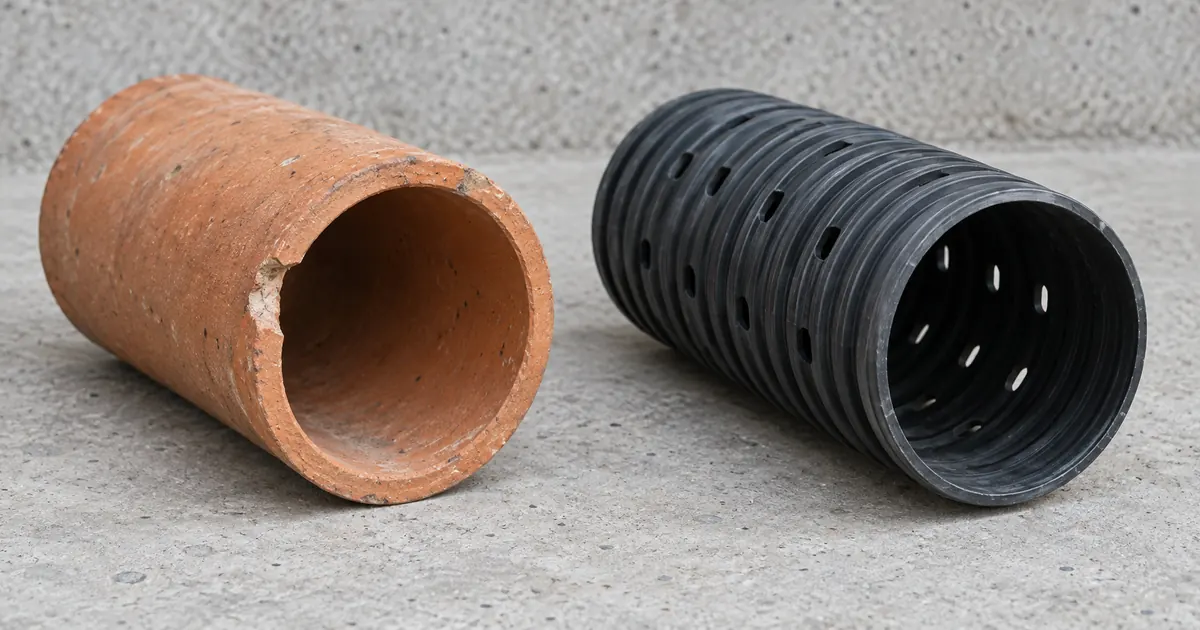
A sanitary lateral carries wastewater toward the sewer. A stormwater lateral serves a different drainage function. The contractor needs to establish which connection is involved and whether the proposed valve arrangement is suitable for the property’s layout.
Water appearing at a floor drain is a reason to investigate the affected plumbing route; it is not proof that a particular valve can be installed in a particular place. Existing connections, shared laterals, additions and separate dwelling areas can change the assessment. Ask what was verified and what remains uncertain.
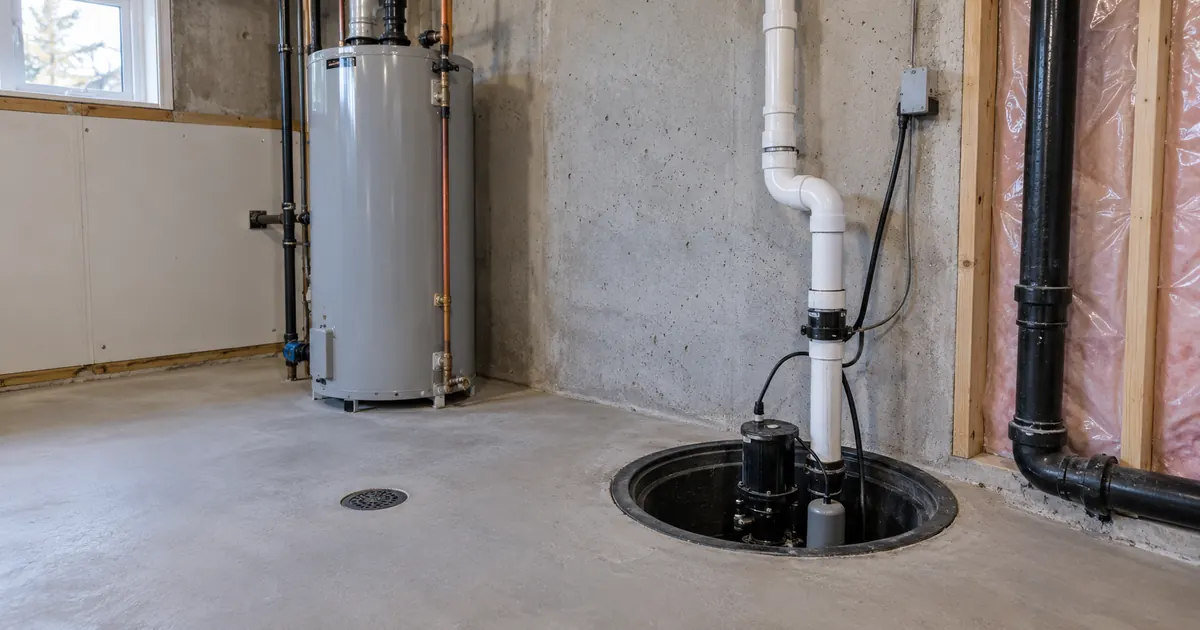
If the concern is wall seepage or a leaking crack, leak diagnosis is the more relevant starting point. If collected foundation water is not being removed, review the sump and drainage arrangement. These mechanisms should remain distinct in both the explanation and the estimate.
How the protection works—and where it stops
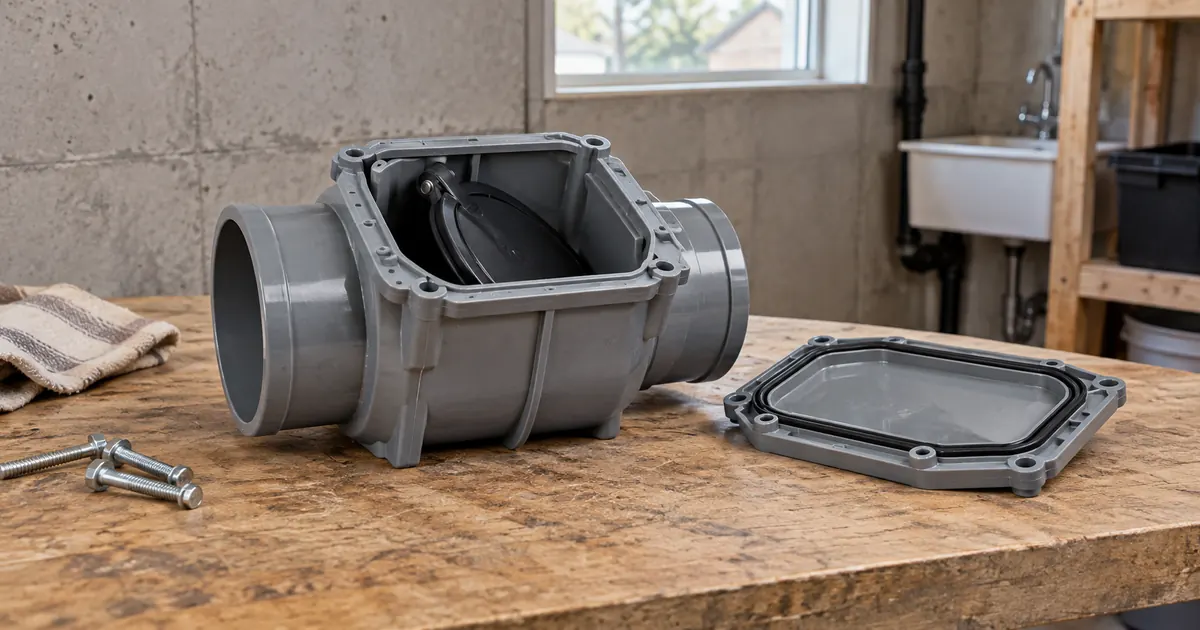
A suitable valve allows normal outflow and can close against reverse flow under the conditions for which it is designed. Its effectiveness depends on the correct application, installation, condition and ongoing maintenance. A valve in one pipe does not protect unrelated routes by default.
When a valve is closed, connected wastewater cannot pass through it normally. Ask the installer which fixtures are affected, how you should recognize or respond to a closure and what the selected device’s instructions require. Do not assume that ordinary fixture use can continue unchanged during every backup event.
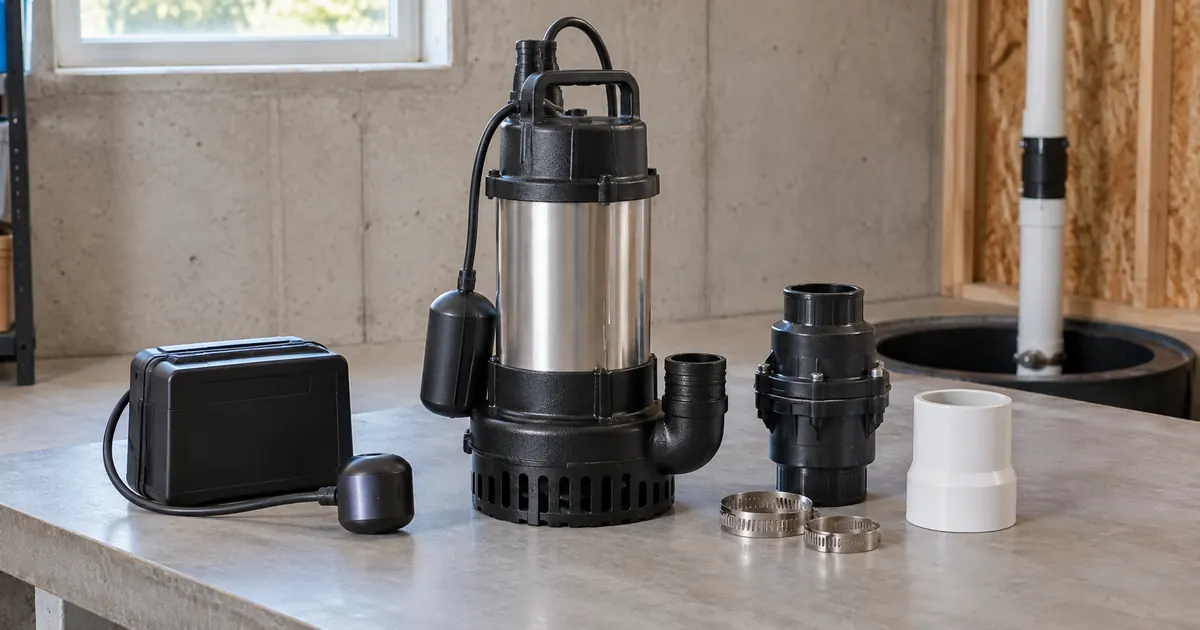
A backwater valve does not stop water passing through a foundation crack, correct window-well drainage or remove groundwater from a sump. A flood-prevention assessment can help organize concerns involving several routes without presenting one device as complete protection.
Property configuration matters
Shared laterals, multiple units and basement apartments can affect suitability and program eligibility. The plumbing assessment should identify the actual connection arrangement and the authority responsible for approving the work. An online description of a house type is not enough to settle those details.
For a condominium or another property with shared systems, establish ownership and authorization before changing a common element. The contractor should also consider how an accessible valve location fits the existing basement and any planned renovation.
Ask our team to confirm the qualified plumbing provider, the exact scope they can perform and any work requiring another trade. An assessment request does not mean that a device has already been selected for your home.
Permits and inspection in Mississauga
The City requires a permit for backwater-valve work. Follow the current backwater-valve permit instructions and establish who applies, what information is needed and who arranges inspection.
A permit and rebate approval are separate. A contractor’s quotation does not establish either. The installation and inspection records should identify the actual device and connection, and the homeowner should keep the relevant documentation with the equipment instructions.
Requirements and fees can change. Our local program and permit guide links to the official instructions and shows its review date rather than treating an old price or application sequence as permanent.
City storm program and Peel sanitary program
Mississauga’s basement flooding prevention program includes a qualifying storm-lateral valve measure. Peel’s backwater-valve rebate relates to eligible sanitary-lateral installations. They are not interchangeable incentives for the same generic “valve job.”
Check the applicable program before committing to work. The connection, dwelling configuration, application timing and inspection requirements can determine eligibility. Do not add program maximums into a promised combined discount or assume the same expense can be reimbursed twice.
Applications and ownership documents belong in the official administrator’s process. Our assessment form is for basement service requests, not municipal rebate applications. Municipal endorsement is not claimed.
Access is part of the installation
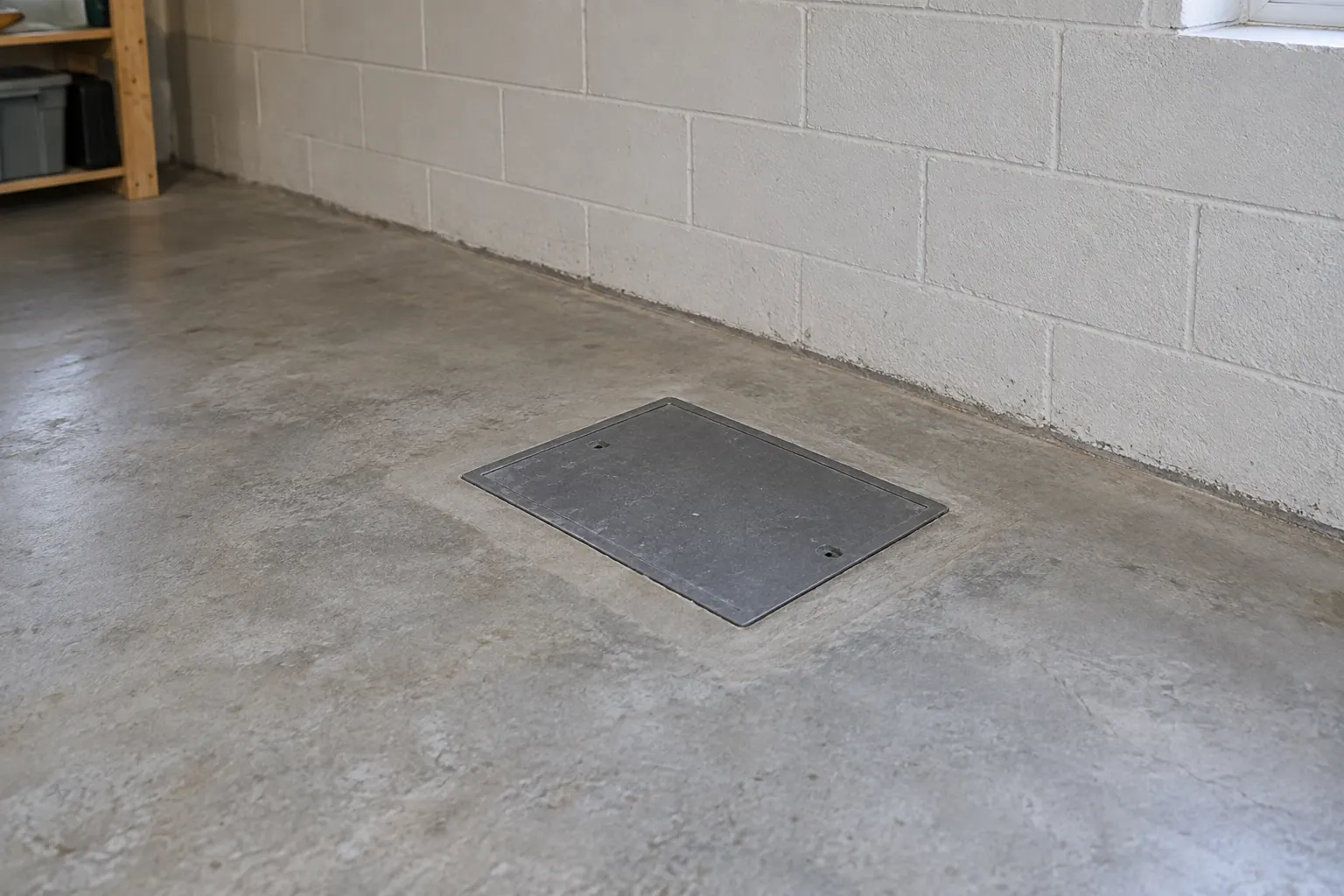
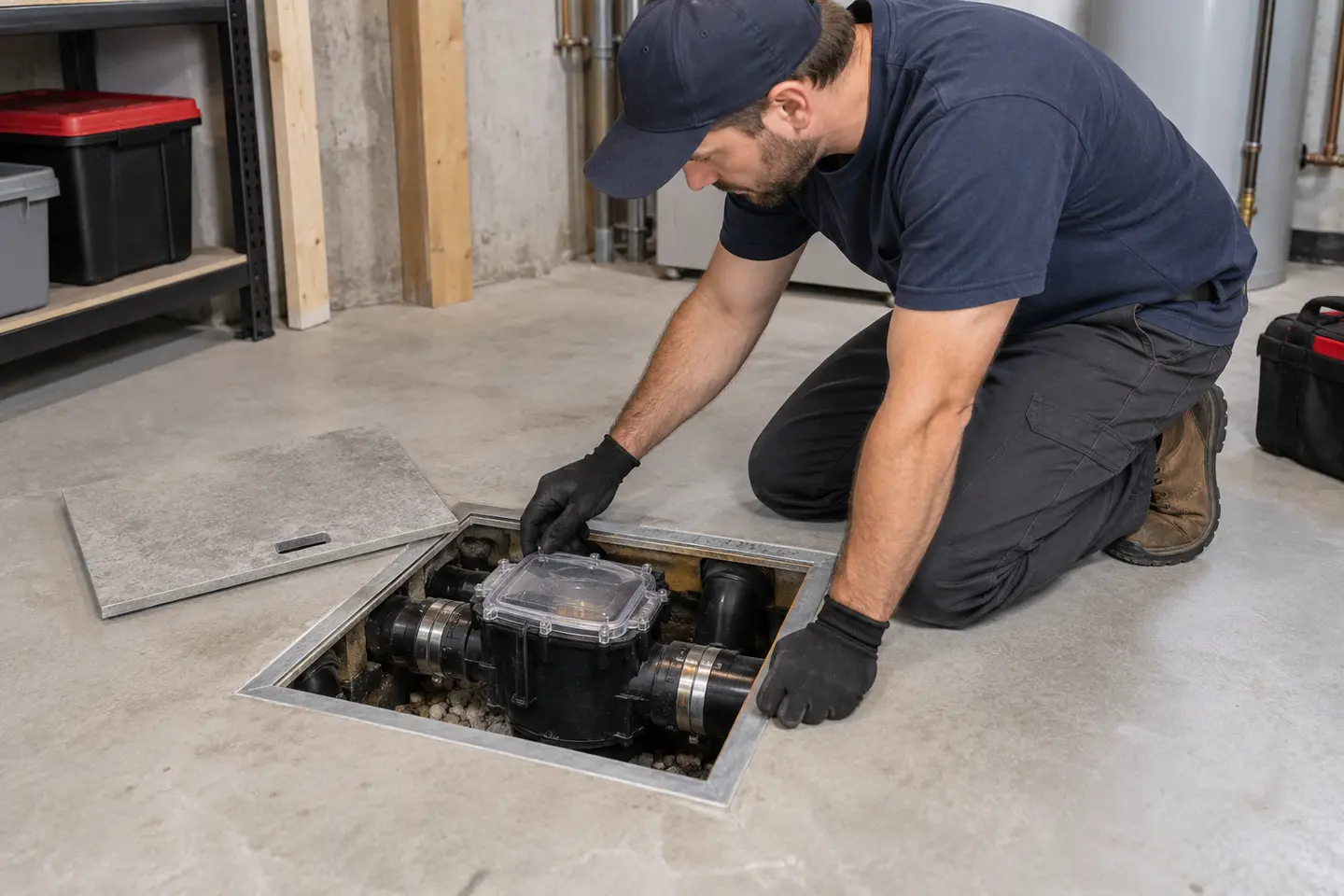
The valve must remain reachable for inspection and maintenance according to the selected device and applicable requirements. Ask how the cover or access point will be accommodated in the finished floor. Permanent flooring or cabinetry should not turn a serviceable component into an inaccessible one.
Installation may involve opening a floor, working on the assessed line and reinstating the affected area. The proposal should identify the working space, protection, disposal and concrete or finish restoration. A plumbing installation allowance does not automatically include replacement of all affected flooring or cabinetry.
Discuss maintenance responsibilities and obtain the manufacturer’s instructions. Do not open equipment during a backup or attempt plumbing work based on a simplified drawing. The photograph shows an accessible service area; the actual valve and pipe layout must be confirmed for the property.
Questions for the estimate
- Which pipe and fixtures are included in the assessment?
- What confirms that the proposed application suits this property?
- Which device and access arrangement are specified?
- Who obtains the permit and arranges inspection?
- What floor opening, disposal and restoration are included?
- What operating instructions and maintenance information will be supplied?
- Which program, if any, applies to the actual connection and work?
Compare those items with the cost and scope guide. The number of components alone is not a useful comparison when the access and pipe arrangements differ.
Does a valve make a sump pump unnecessary?
No. They address different water routes. One may be relevant, both may be relevant, or further assessment may identify a different need.
Can an existing basement apartment affect the decision?
Yes. Dwelling and connection arrangements can affect the plumbing assessment and rebate criteria. Confirm the actual configuration with the contractor and official administrator.
A clearer next step
Tell us what is happening in your basement.
Where does the water appear? When did you notice it? Tell us about any existing pump, drain or previous repair. You do not need to choose a waterproofing method before making an enquiry.
Start with your Mississauga postal code or nearest major intersection. Our team will review the concern and confirm the assessment scope before you decide to proceed.
Start with what you see
Request an assessment
A few details help our team understand your basement concern.