
Separate the well from the window
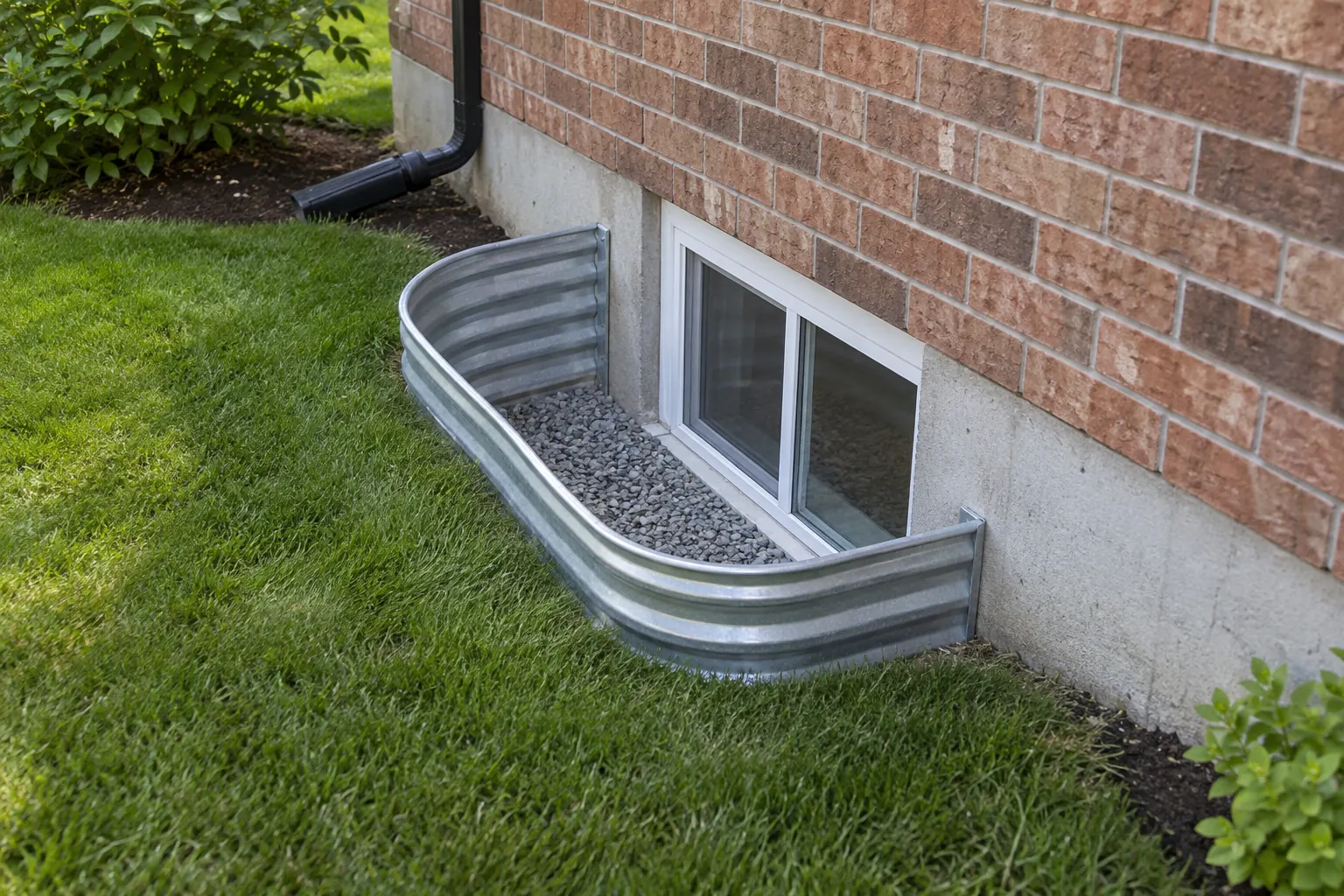
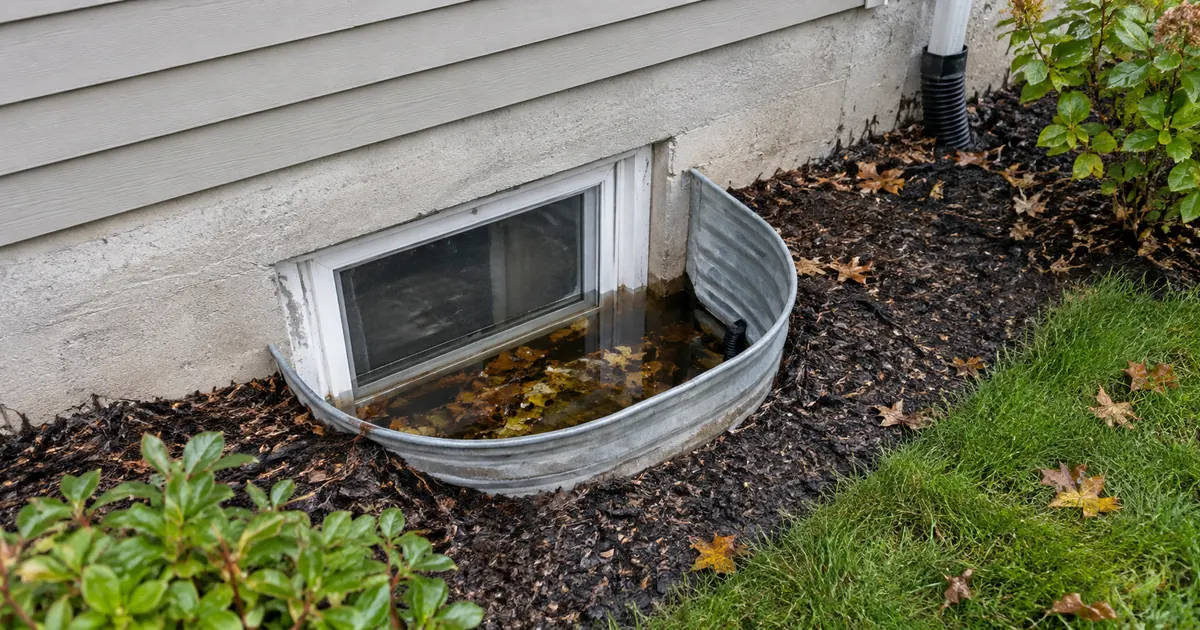
A window well holds soil away from a below-grade opening and provides space around the window. The window assembly and the joint around its frame form a different part of the building. Water can collect in the well, pass through the opening or travel along an adjacent wall detail.
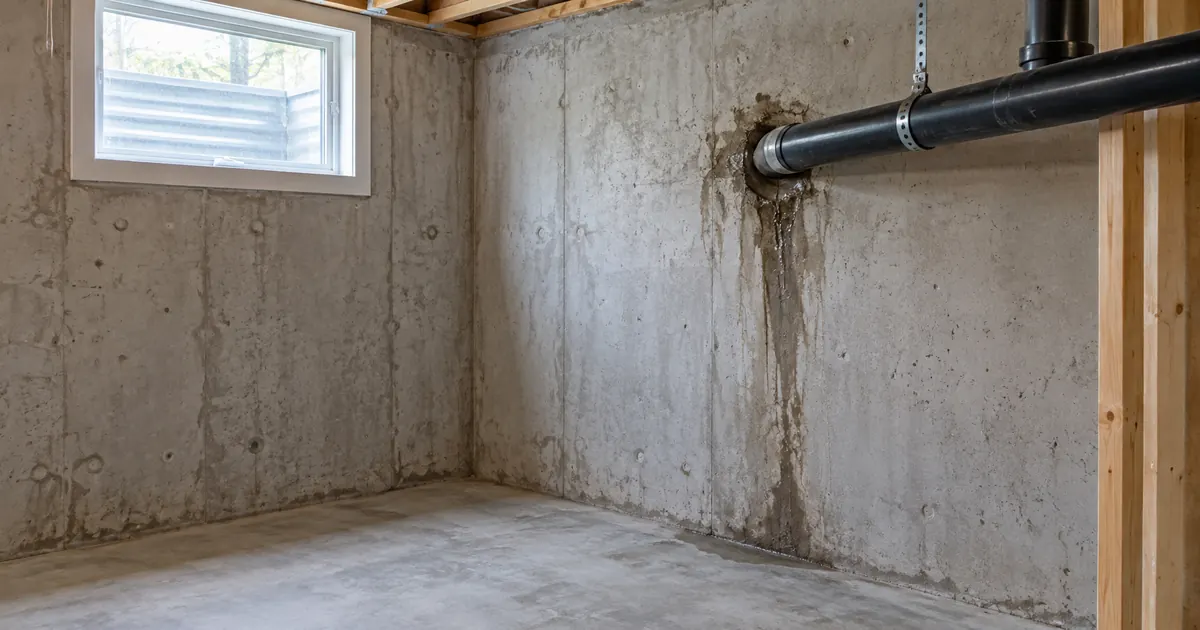
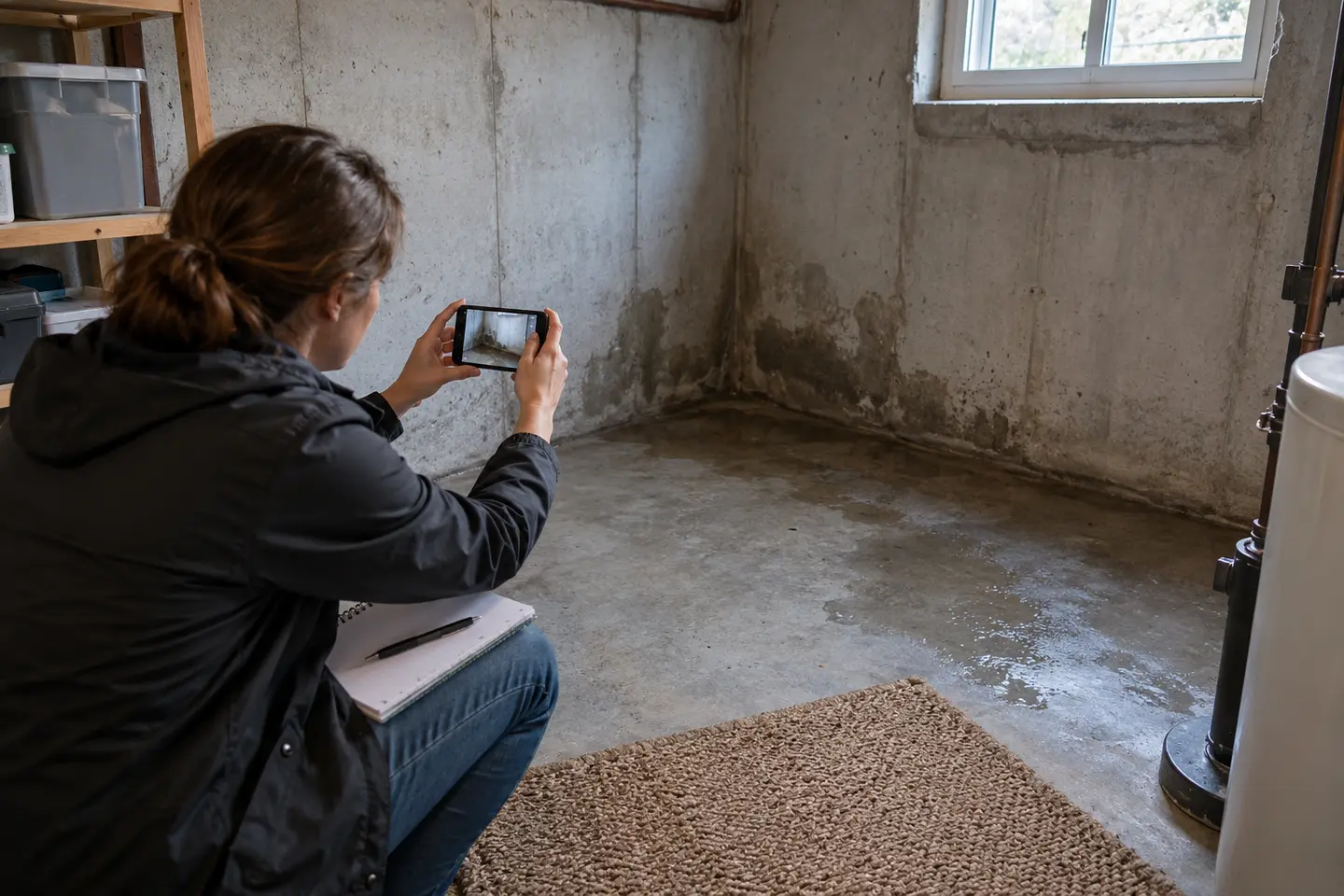
Describe where you first notice water. Is the well filling outside? Is the sill wet inside? Does water appear beneath the window, at the frame or at the floor below it? Those distinctions help direct the investigation, although none proves the full path on its own.
An after-rain observation record can be useful if taken safely. Do not climb into a flooded well, lean from an unsafe position or open a window against standing water to investigate.
What should be checked around the opening?
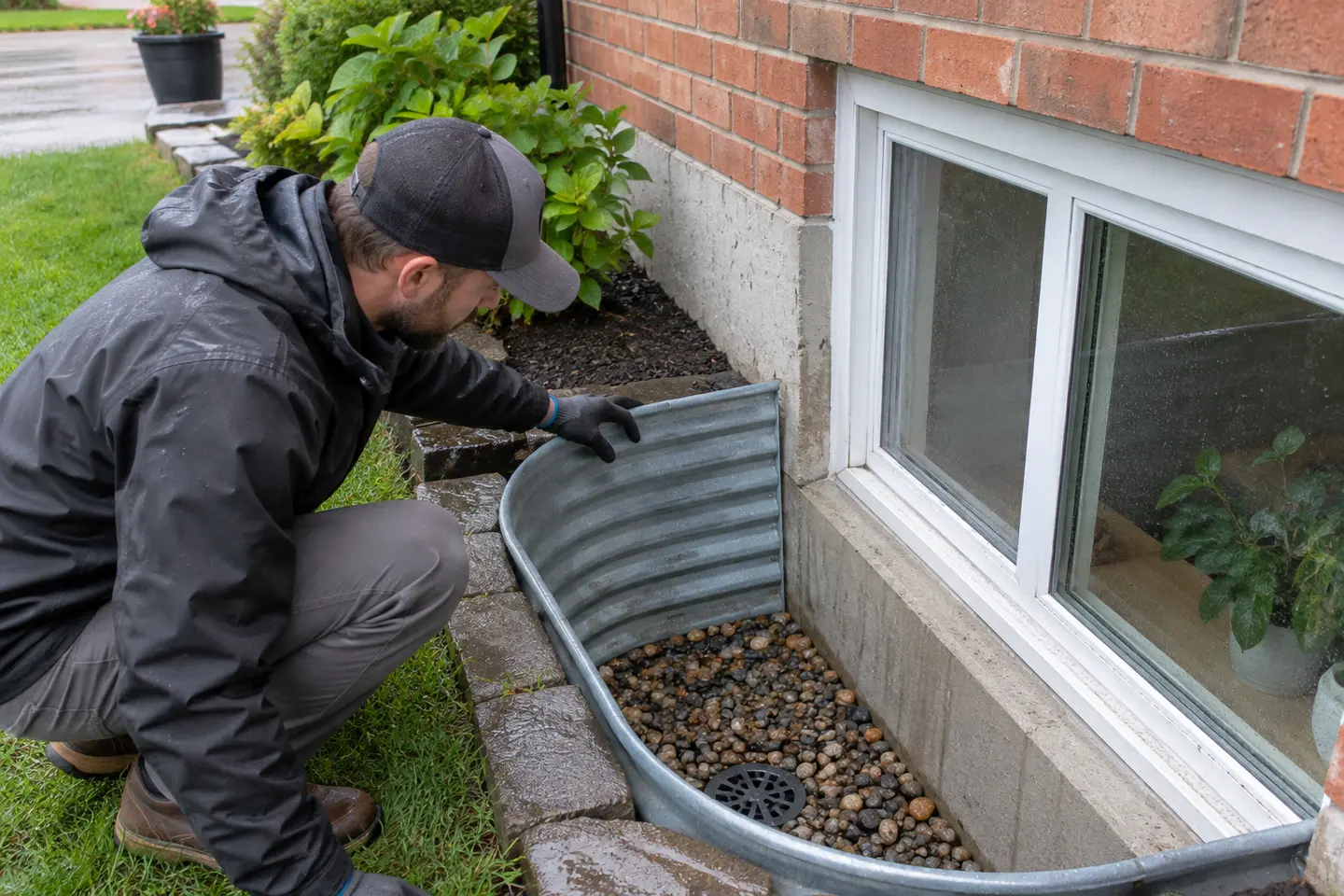
The contractor should consider the well condition, the surrounding grade, nearby downspouts, debris, the drainage arrangement and the window/frame detail. If a drain is present, its location does not establish that the connection is clear or suitable. The receiving route may need investigation.
Water from a paved area, downspout or sloping garden can reach the well from beyond its immediate edge. Removing leaves may be sensible maintenance where safely accessible, but recurring filling needs an explanation of the incoming water and its outlet. Simply adding more stone can conceal the detail without resolving the connection.
The proposed scope should distinguish well work from window replacement or repairs around the opening. A damaged frame or seal may need a window specialist. Conversely, a new window may still face water pressure if the surrounding well continues to fill.
Repair or replacement: what changes the choice?
A local repair may be considered when the well remains suitable and an identifiable drainage or connection issue can be addressed. Replacement may be discussed if the well’s size, condition, position or attachment does not suit the opening and surrounding grade. The findings should explain the recommendation.
| Part to discuss | Questions for the contractor |
|---|---|
| Well and surrounding ground | What is allowing water or soil to enter? What surfaces are directing water toward it? |
| Drainage | Is there a drain, where does it connect and what is known about its condition? |
| Window and opening | Is the visible water passing through the assembly or around another detail? |
| Cover, if proposed | What can it reduce, how is it maintained and does it preserve required access? |
| Reinstatement | Are stone, planting, paving and attachment details included? |
If the issue is part of broader foundation drainage, weeping-tile assessment may be relevant. An isolated well repair should not be presented as correction of every concealed drain around the property.
A cover has a limited role
A compatible cover may help keep out debris and some direct precipitation. It cannot make an unsuitable underground connection work, correct all nearby grading or repair a leaking frame. The contractor should explain the reason for recommending it and its maintenance requirements.
Avoid treating any cover as proof of window or emergency-exit compliance. Window enlargement, below-grade openings and egress requirements are separate design and approval questions. A drainage enquiry is not an assessment of a basement apartment’s legal status or an approval of a particular exit arrangement.
Access and restoration
Work may require moving landscaping, disturbing stone or opening an area beside the foundation. Nearby paving, a narrow side yard or a shared access route can change how the work is performed. The quote should identify the working area and any permission needed before using neighbouring or common property.
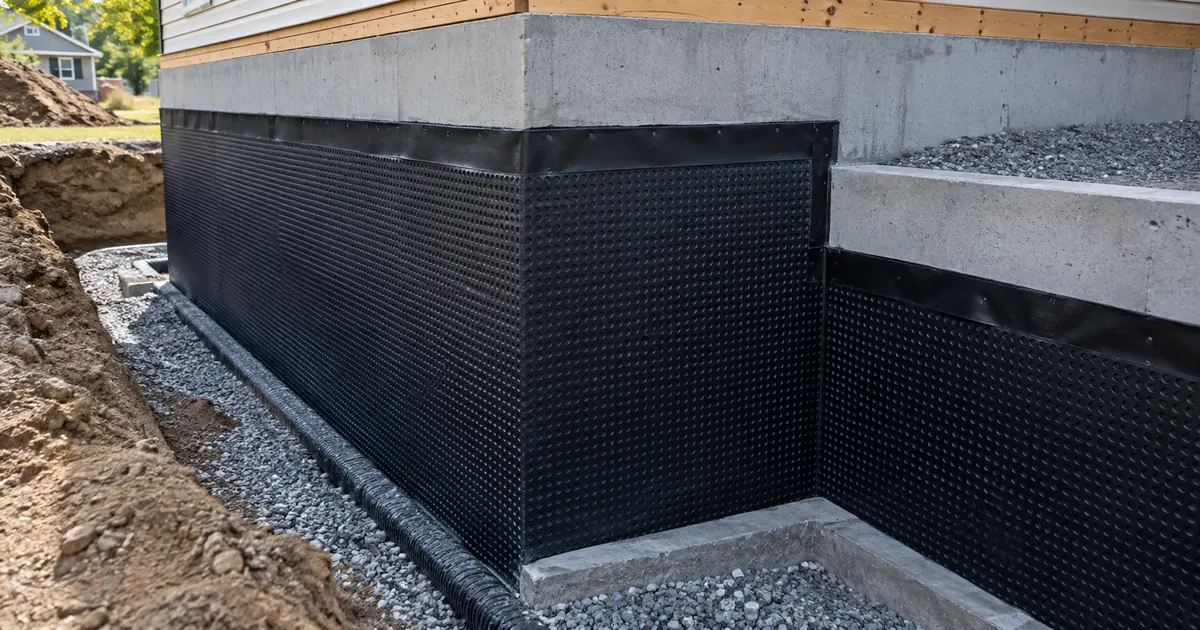
Ask which surfaces will be replaced, whether existing materials can be reused and where the new drainage connects. If exterior wall treatment is part of the recommendation, it should be described separately from the well installation. The exterior waterproofing page explains preparation, protection and drainage as different elements.
Interior inspection may also require access behind trim or finishes. Agree what will be opened and restored before assuming that the visible wet sill represents the complete affected area.
Mississauga planning questions
The whole scope determines whether permits or additional approvals apply. A drainage repair, foundation alteration and enlarged window opening are not interchangeable projects. Consult the local permit guide and confirm the proposed work with the City where needed.
Do not assume a window-well repair qualifies for a flood-prevention rebate. Programs have their own eligible measures and exclusions. Establish eligibility through the official administrator before relying on reimbursement.
For a clear estimate, discuss access, the well and drain work, any window-related work, disposal and restoration. The cost guide helps separate those items without suggesting that every well has the same repair price.
Questions about wet basement windows
Does water below a window always mean the well failed?
No. The window assembly, opening detail, adjacent wall or another concealed route may be involved. Start with a leak assessment when the source is unclear.
Is visible stone proof that the well drains properly?
No. The stone surface does not show the condition or destination of any drainage connection underneath it.
Can I request help without knowing whether it is a window or drainage problem?
Yes. Describe the first wet location, whether the well fills and when it happens. The contractor should confirm which parts they can assess and whether another trade is needed.
A clearer next step
Tell us what is happening in your basement.
Where does the water appear? When did you notice it? Tell us about any existing pump, drain or previous repair. You do not need to choose a waterproofing method before making an enquiry.
Start with your Mississauga postal code or nearest major intersection. Our team will review the concern and confirm the assessment scope before you decide to proceed.
Start with what you see
Request an assessment
A few details help our team understand your basement concern.